A Narrow Escape in Montpellier: La Lumineuse
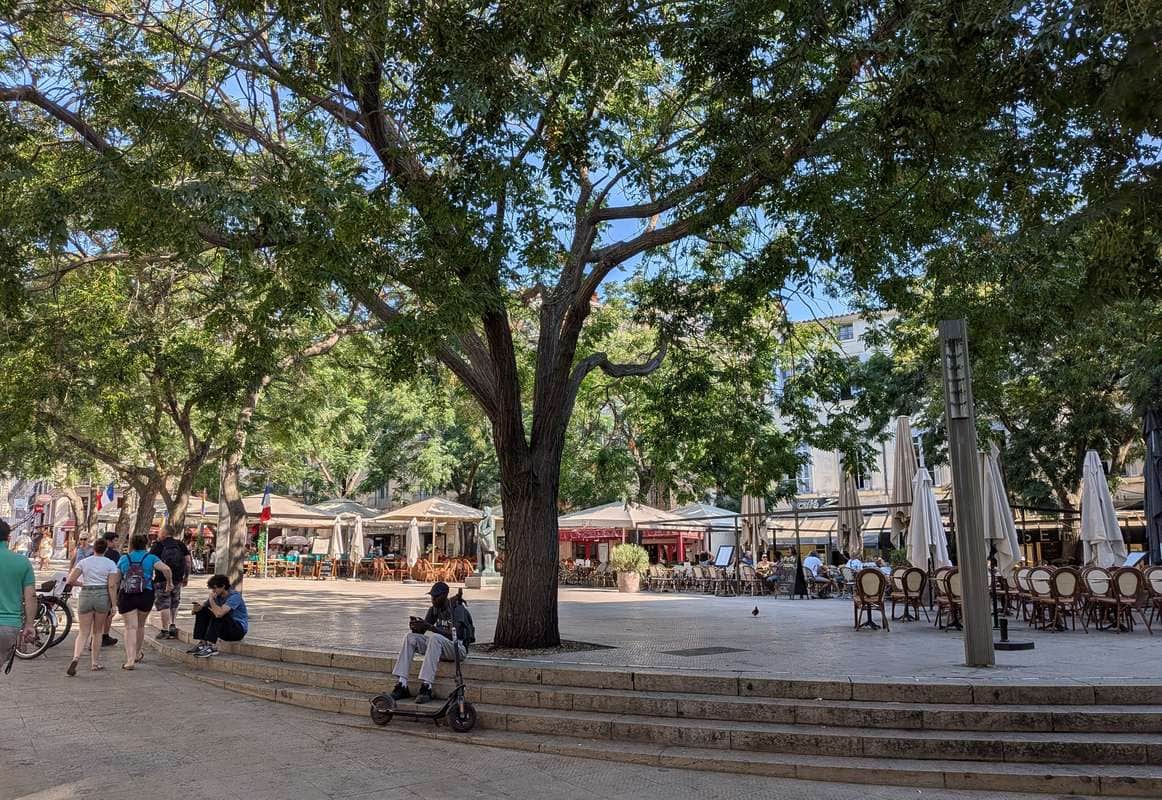
The Beating Heart: Place de la Comédie
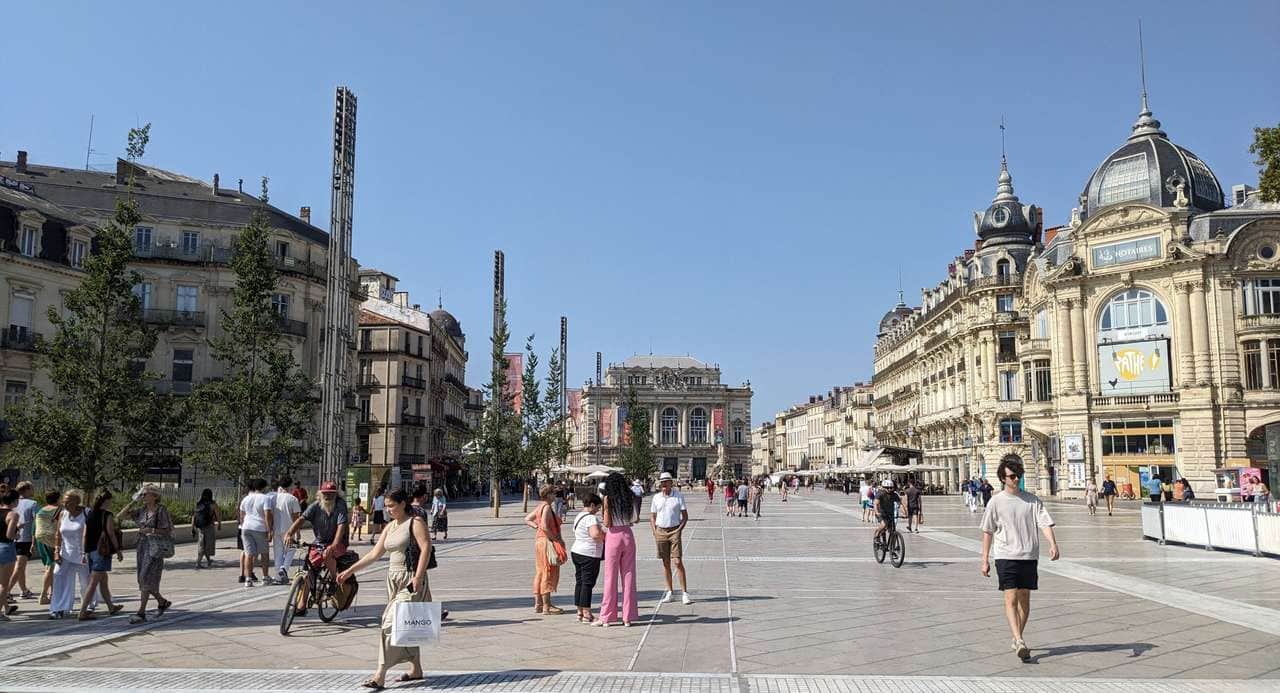
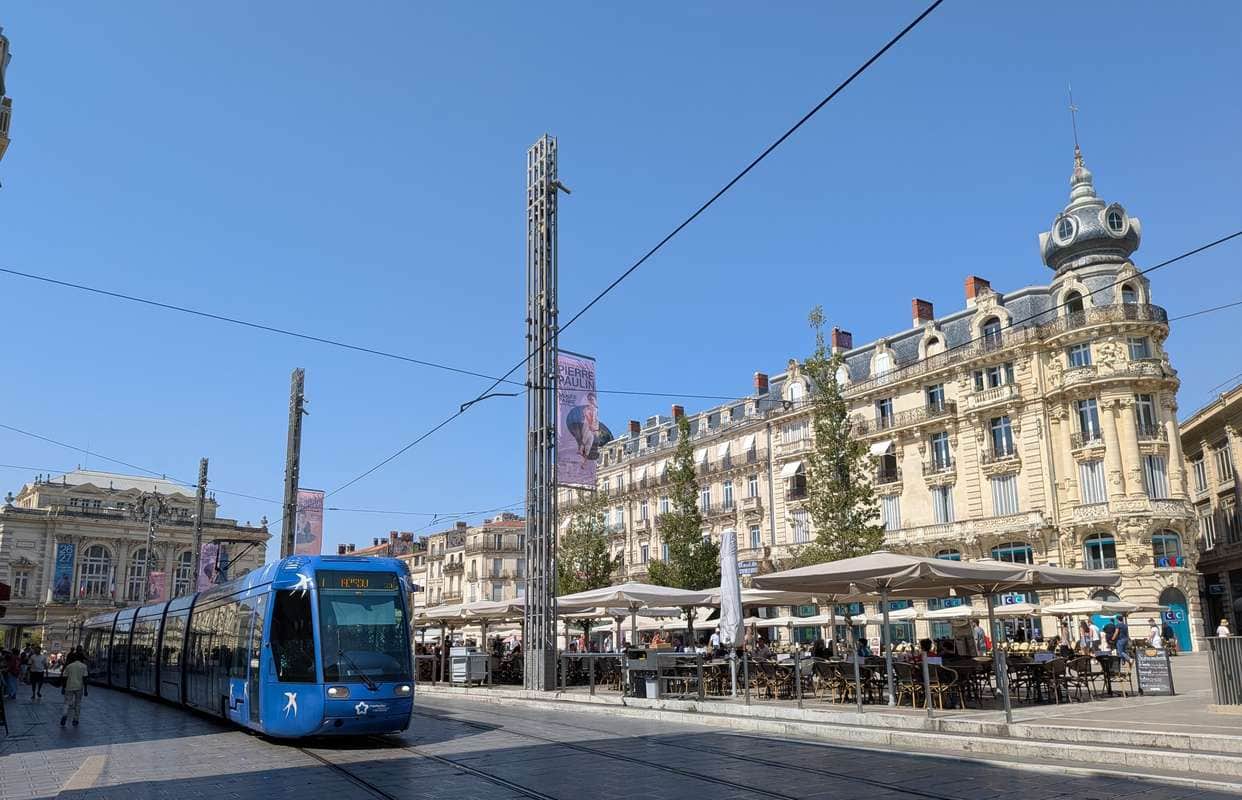
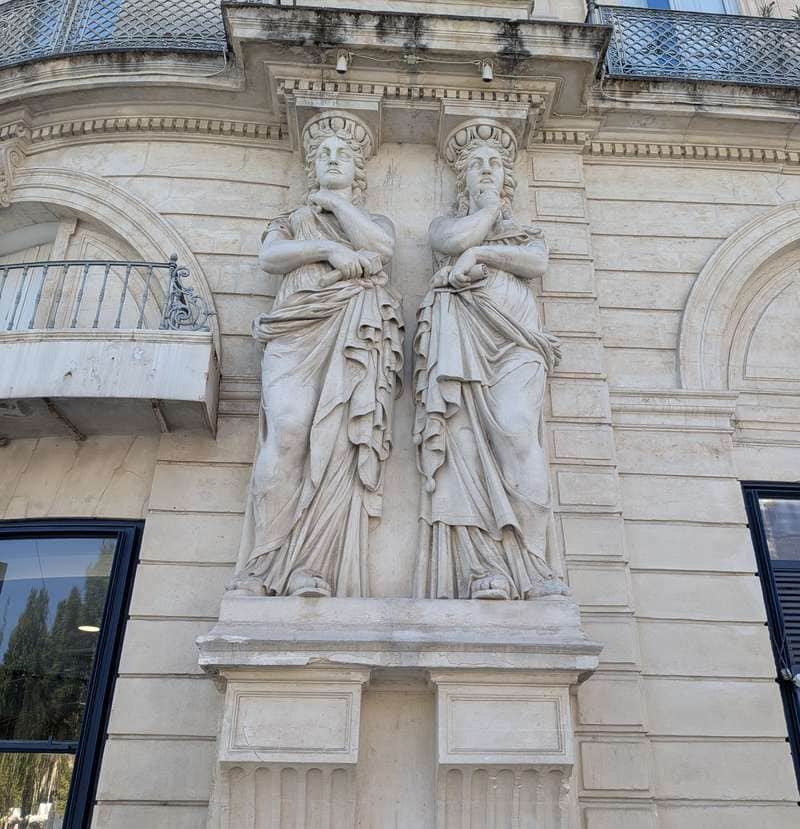
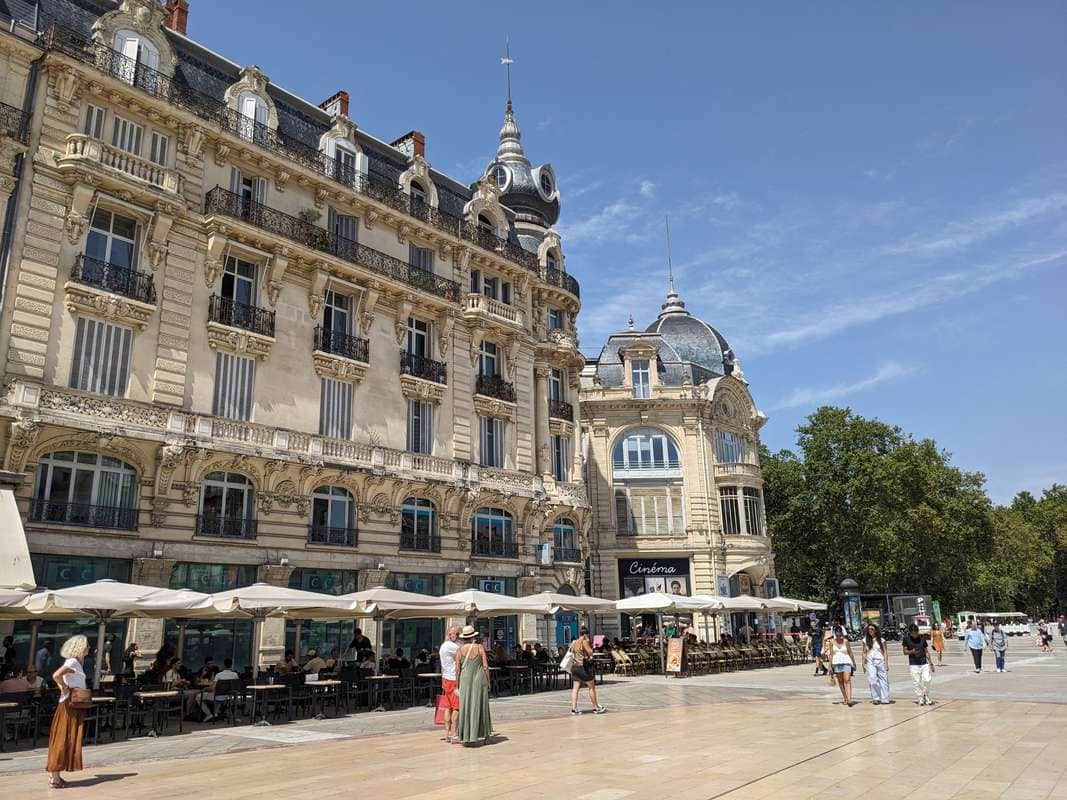
Did you know? Nicknamed “the Egg” by the people of Montpellier because of its original oval shape, Place de la Comédie is one of the largest pedestrian squares in Europe. It’s the perfect place to start exploring the city—just a 15-minute train ride from the vacation rental!
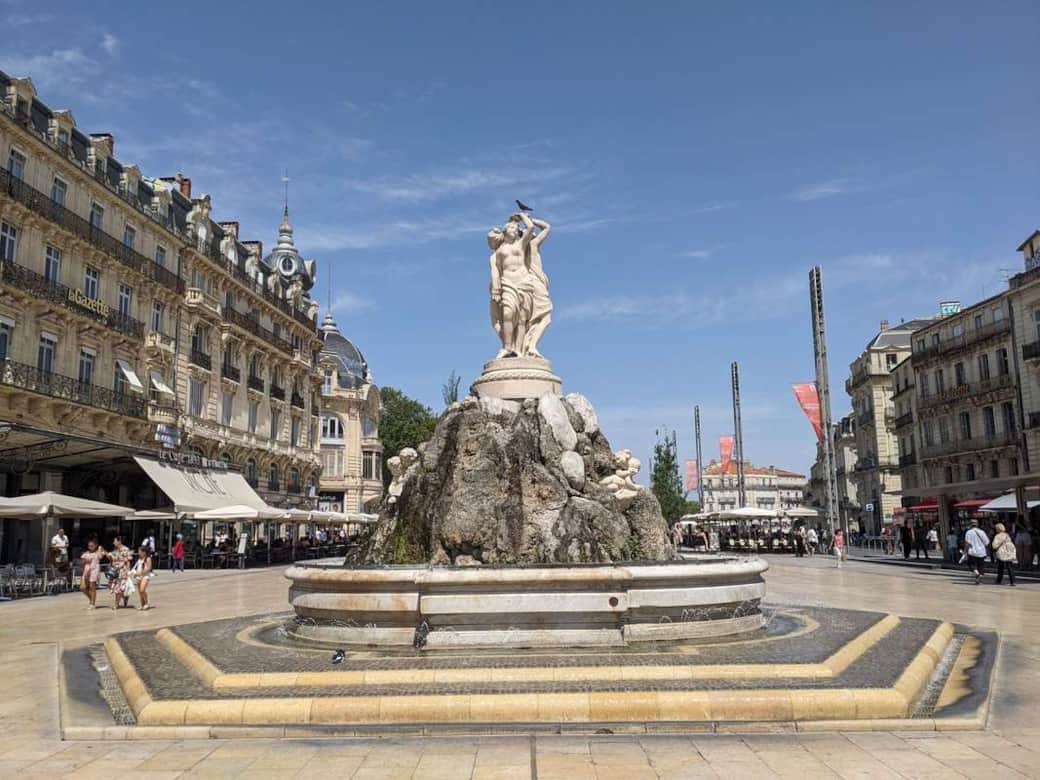
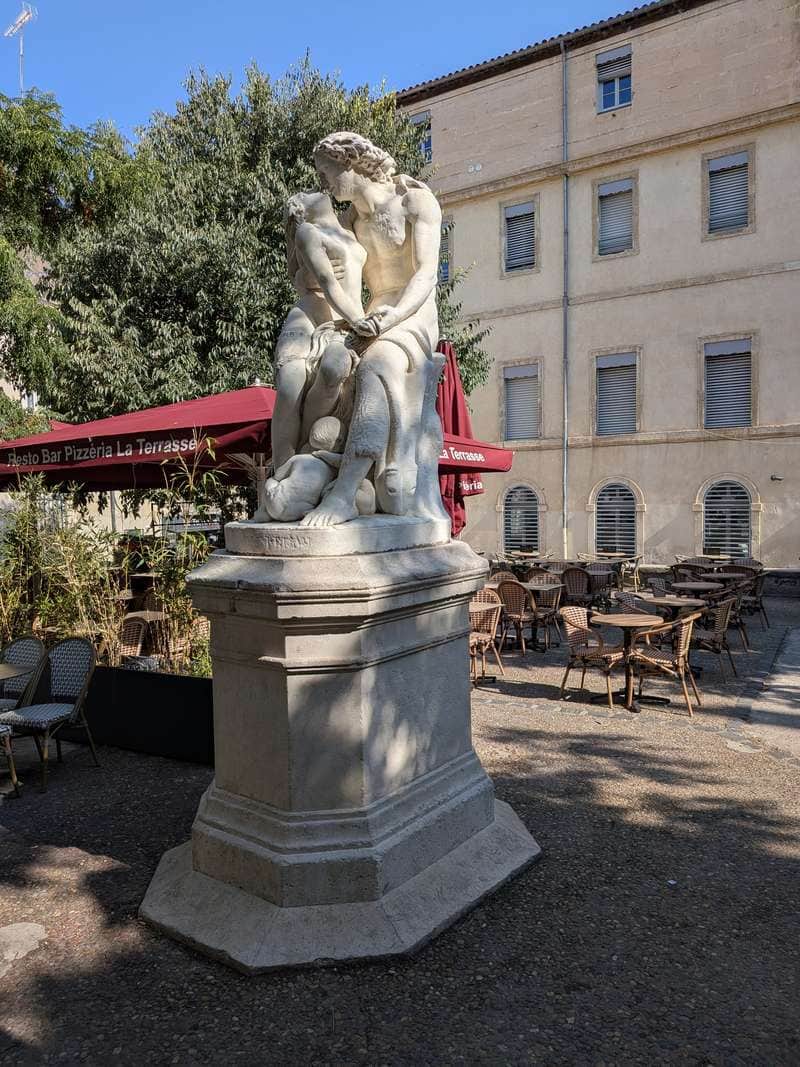
The Fountain of the Three Graces
Located right in the middle of the square, it is its iconic symbol. Sculpted in 1773, it depicts Aglaea, Thalia, and Euphrosyne—the three daughters of Zeus who embody beauty, joy, and charm.
Fun fact: To protect the original monument from pollution, the statue you see in the square is actually a resin replica! The original marble statue is carefully preserved indoors, right across the street, in the lobby of the Opéra Theater.
The Opéra Comédie
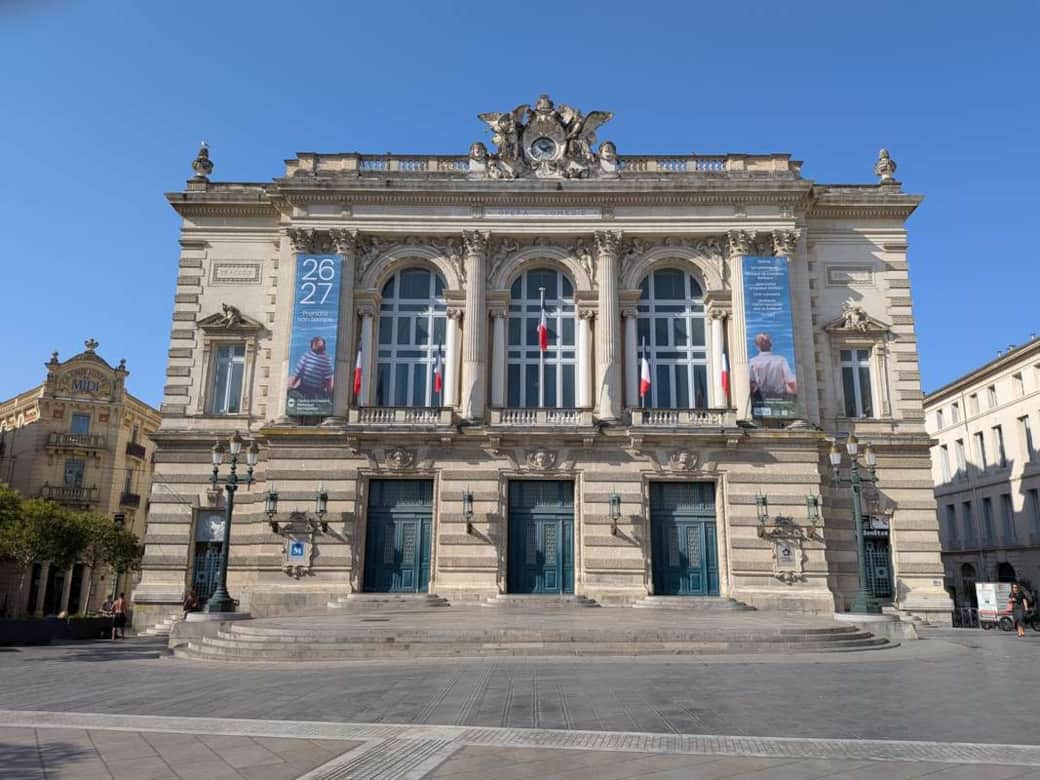
A majestic 19th-century building that dominates the square magnificently. With its monumental columned façade and large glass windows, this Italian-style opera house bears witness to Montpellier’s rich cultural and historical heritage.
It was rebuilt following a major fire in 1881. If you can, look up as night falls: the illumination of its facade gives it a magical atmosphere that is an absolute must-see.
Head to the Esplanade for a breath of fresh air
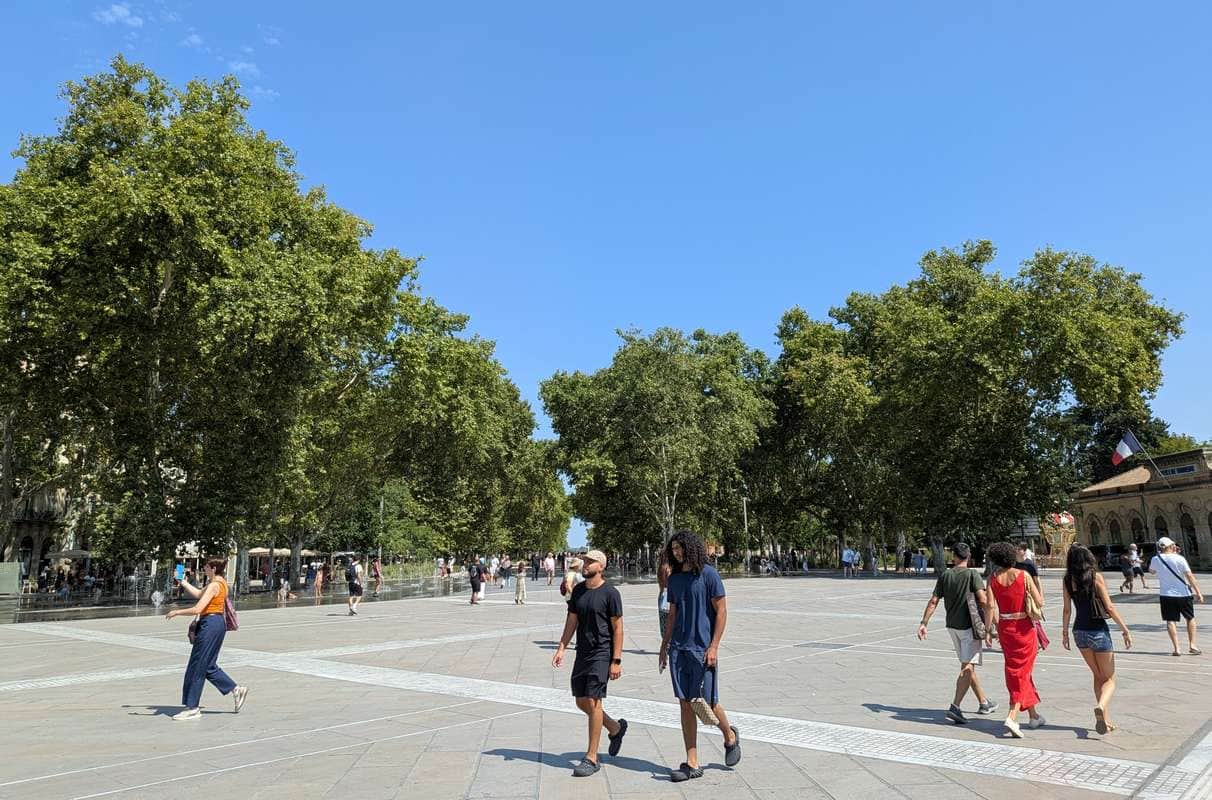
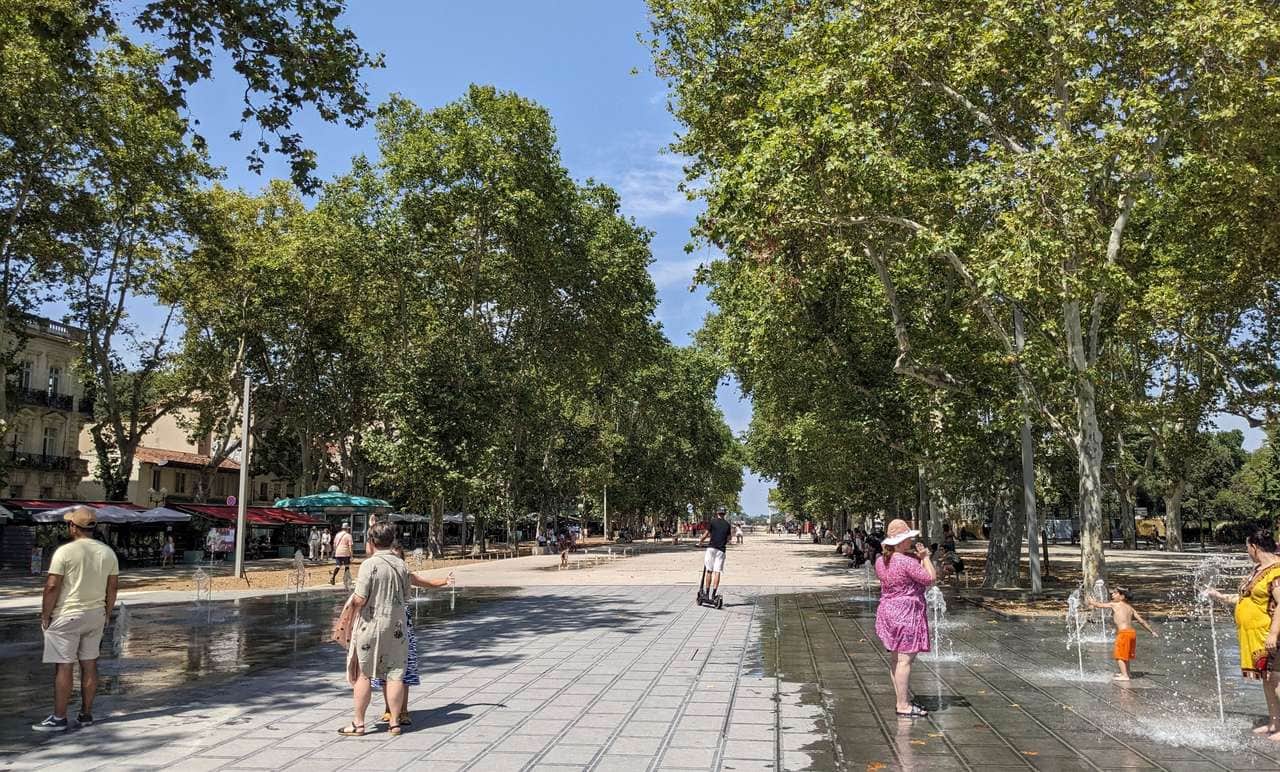
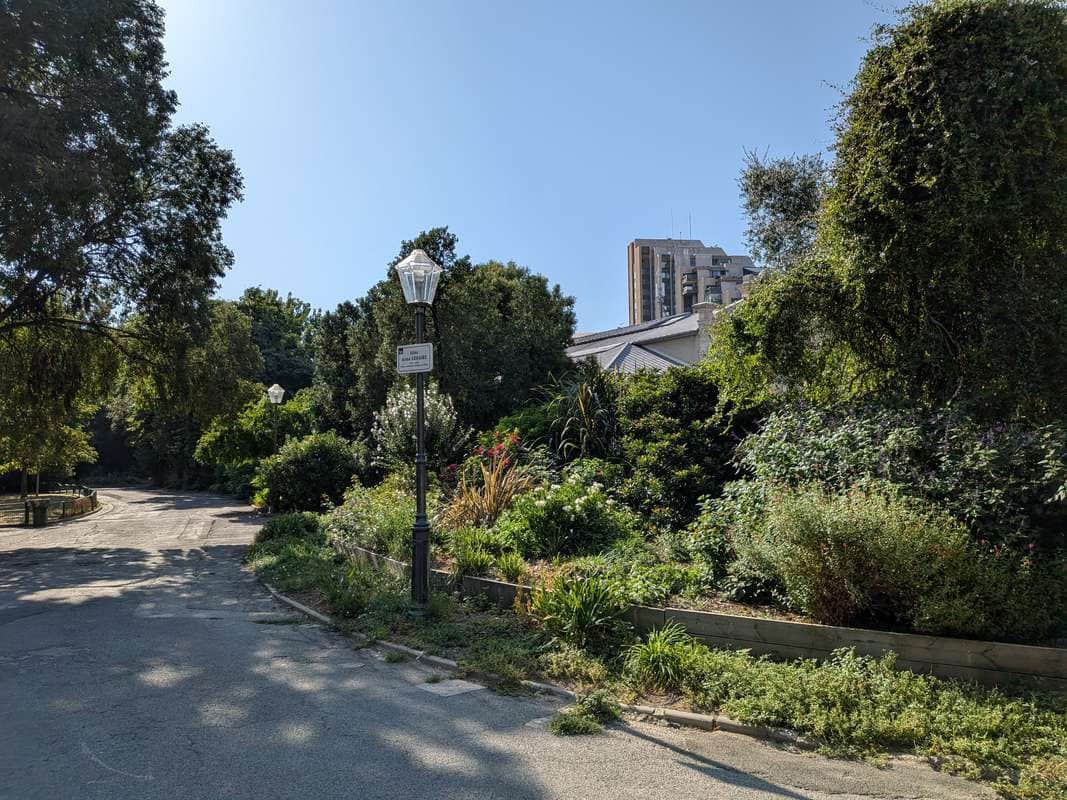
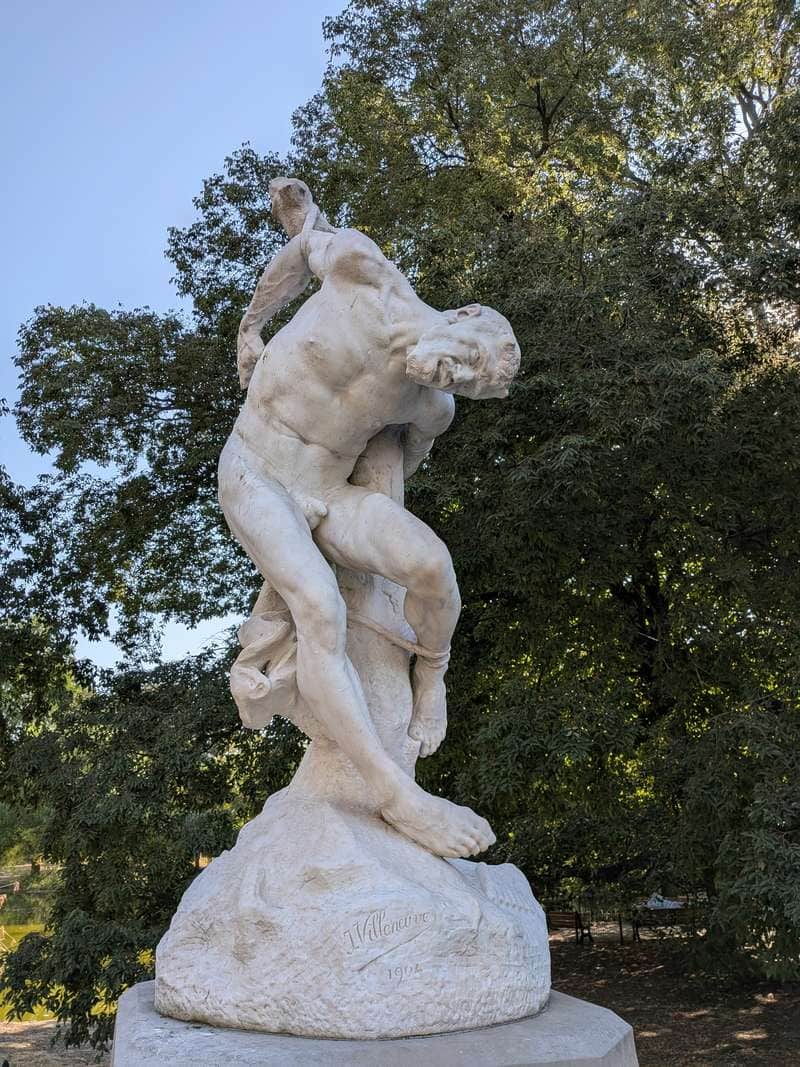
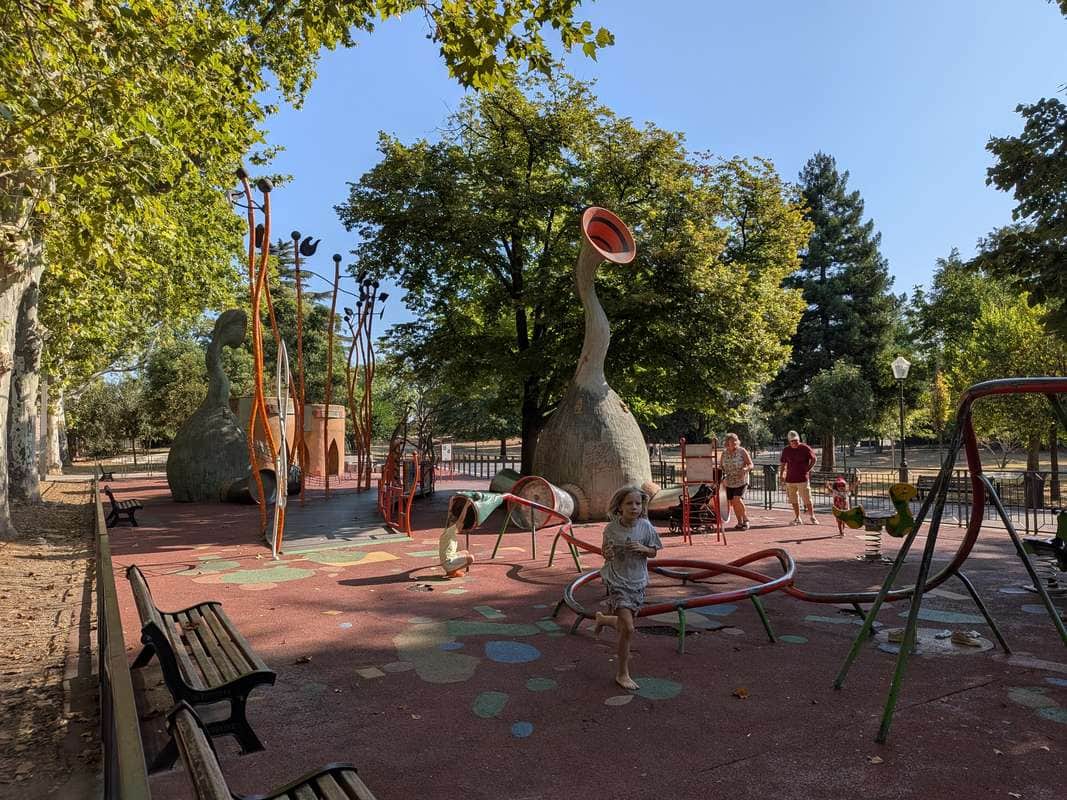
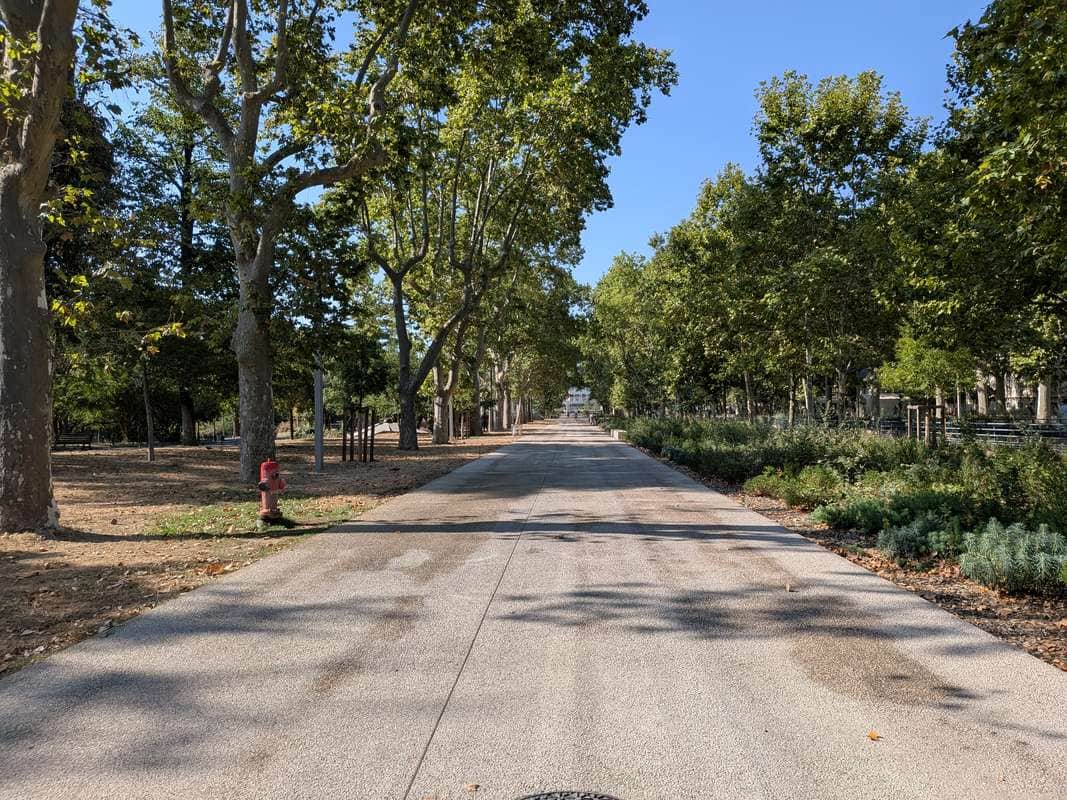
Right off the square, the Charles-de-Gaulle Esplanade offers a breath of fresh air in the shade of tall trees. Its shaded walkways, public benches, and interactive water features make it a favorite retreat for locals on hot summer days. A true oasis of coolness after a day of shopping or sightseeing!
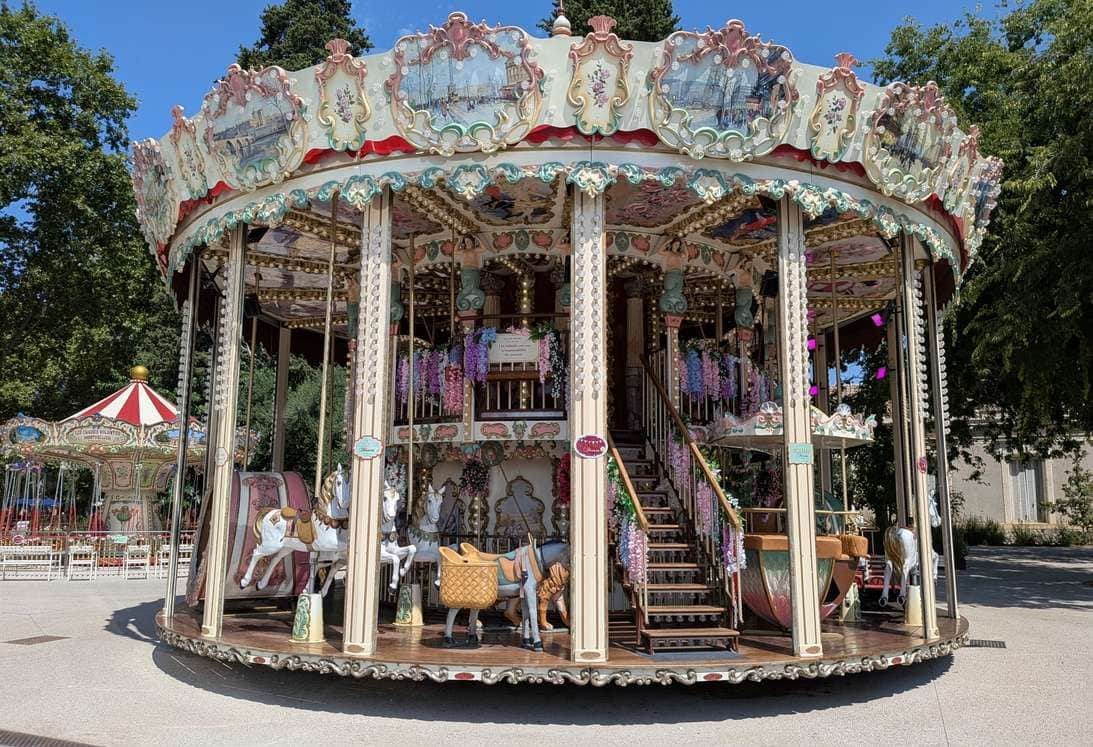
The Majestic: The Peyrou Promenade
The Promenade du Peyrou in Montpellier is an elegant 18th-century royal square located at the highest point of the historic center. Dominated by the equestrian statue of Louis XIV, it offers a beautiful view of the Arc de Triomphe, the Saint-Clément Aqueduct, and the monumental water tower. With its gardens, fountains, and shaded walkways, it’s the perfect place to explore Montpellier’s history while enjoying a pleasant stroll.
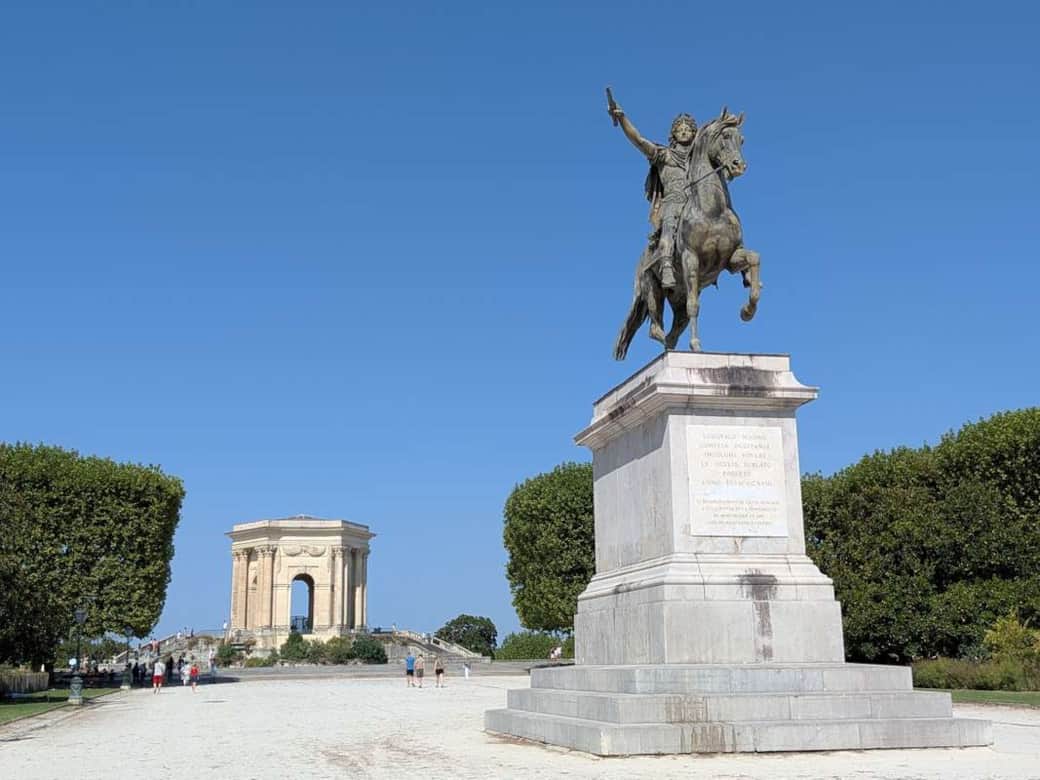
The Equestrian Statue
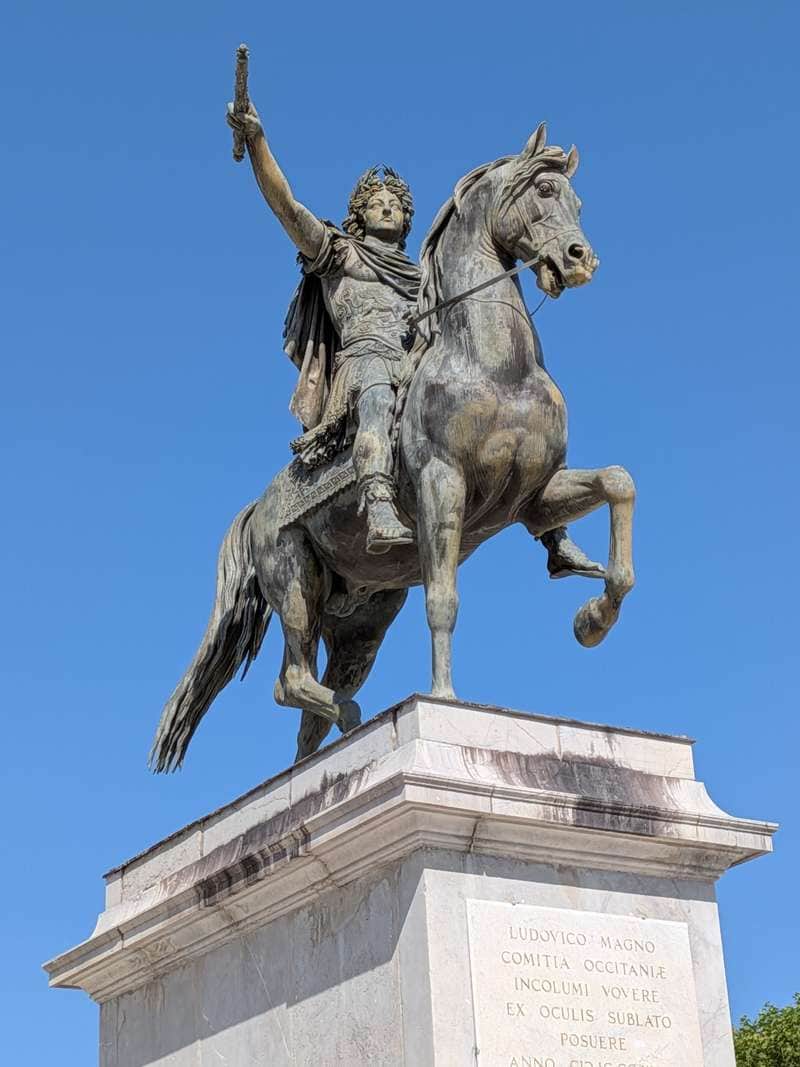
Au centre de la promenade du Peyrou, Louis XIV est représenté à cheval, le bras tendu vers la mer. La statue actuelle, installée en 1838, remplace une première œuvre inaugurée en 1718 et détruite pendant la Révolution française. Elle a été sculptée par Jean-Baptiste Joseph Debay et fondue par Auguste-Jean-Marie Carbonneaux, d’après les dessins de Jules Hardouin-Mansart.
Le socle porte une inscription latine qui rappelle que les États du Languedoc avaient dédié ce monument au « Roi-Soleil ». En observant la composition, on remarque l’attitude de commandement du souverain, son bâton levé et le mouvement du cheval, qui donnent à l’ensemble une impression de puissance et d’autorité. Cette statue constitue le point central de la place royale et s’inscrit dans le grand axe formé par l’arc de triomphe, le château d’eau et l’aqueduc du Peyrou.
The Water Tower and the Aqueduct
The majestic Peyrou Water Tower, built in the 18th century, is actually a reservoir designed to supply Montpellier with drinking water. Its elegant hexagonal architecture, inspired by antiquity, is extended by the Saint-Clément Aqueduct, recognizable by its famous arches. Stretching 14 kilometers, the aqueduct carried water from the springs of Saint-Clément-de-Rivière to the highest point in the city. Completed in 1765, it subsequently supplied water to several fountains in the historic center, including the Three Graces and the Unicorn Fountain.
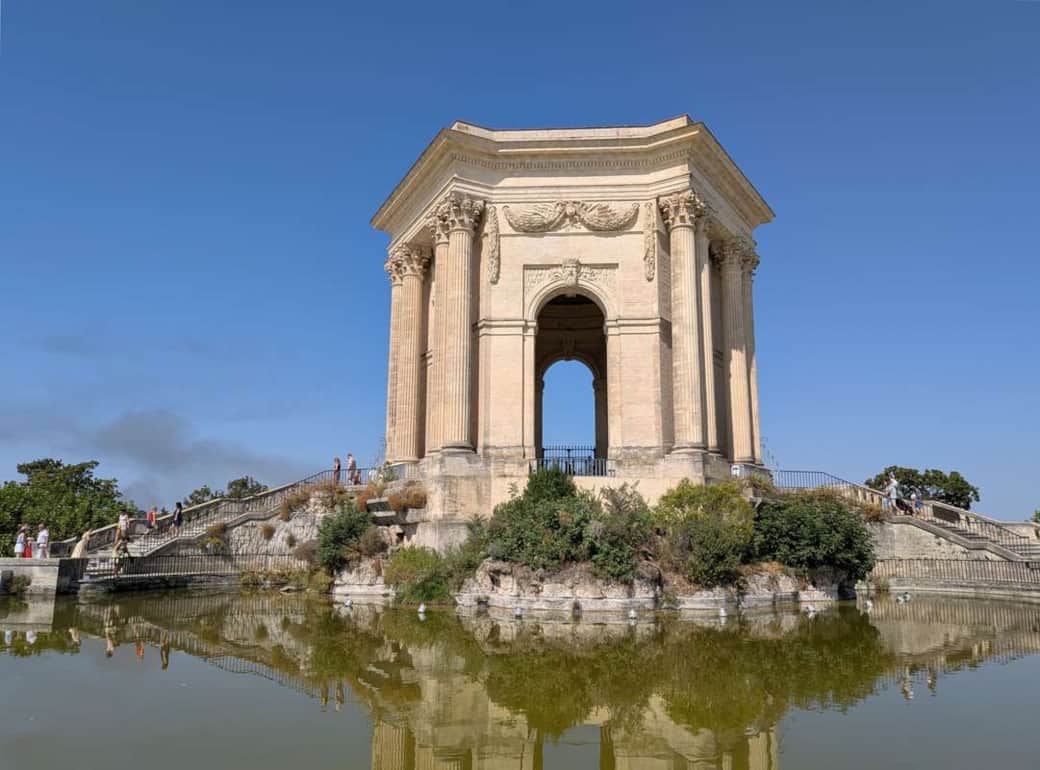
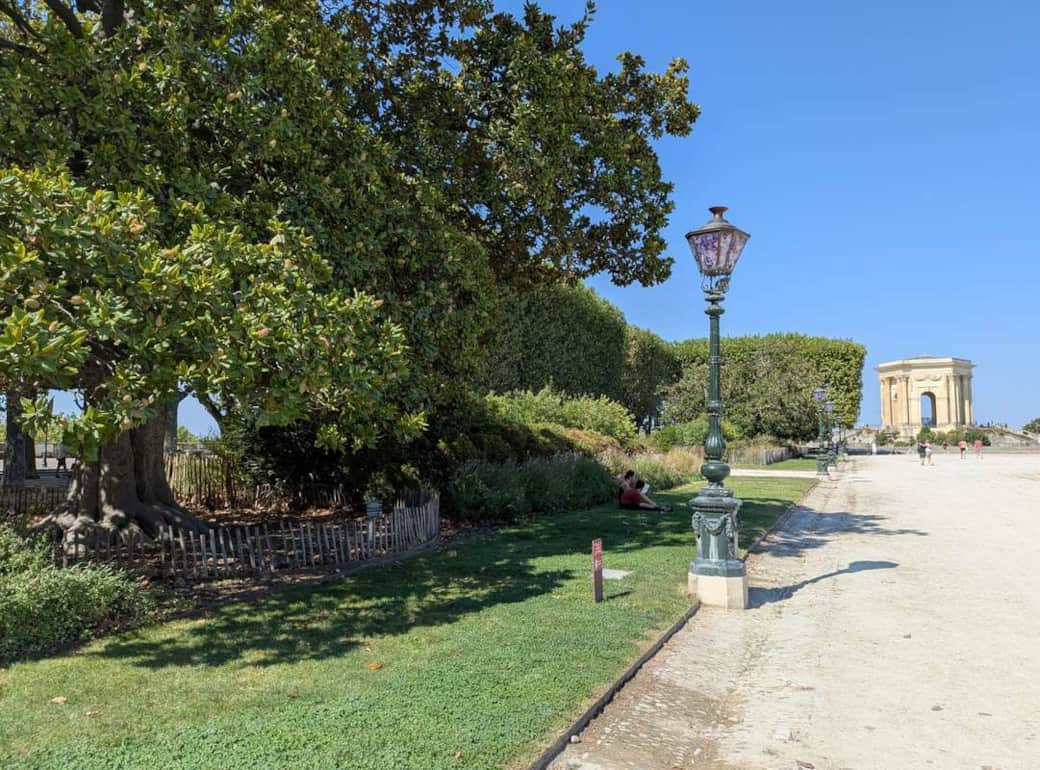
The Gardens
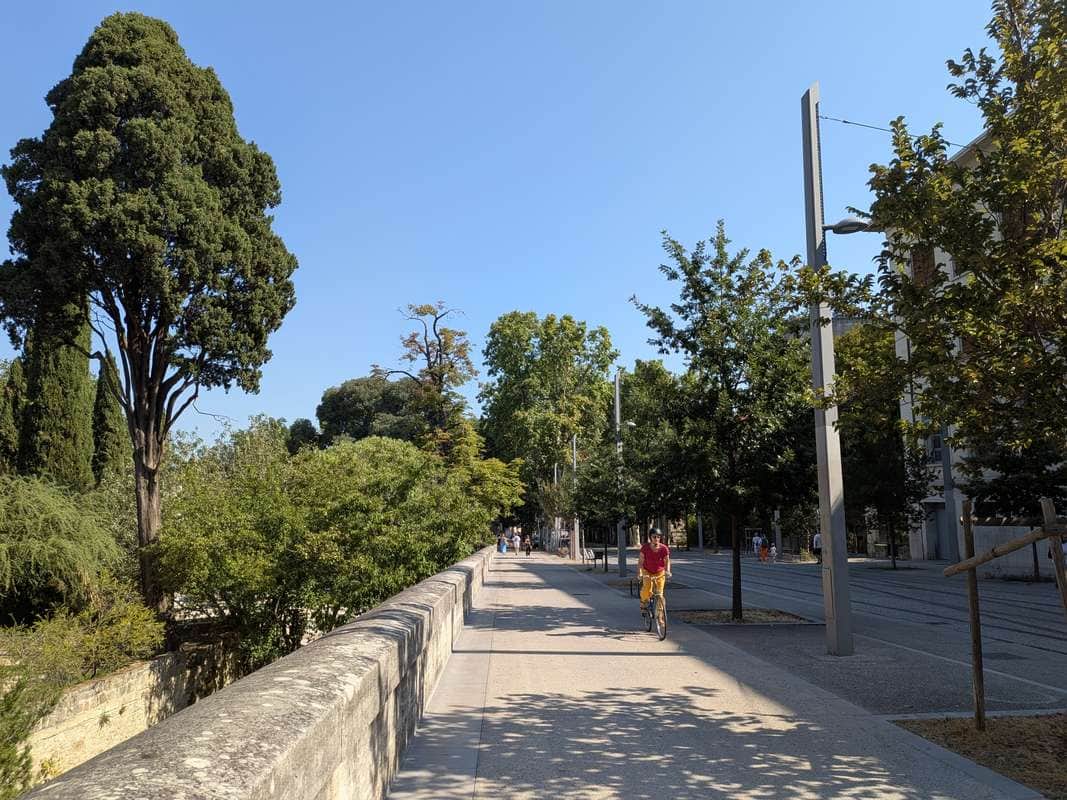
The Promenade du Peyrou offers a pleasant green space in the heart of Montpellier. Its tree-lined paths, lawns, and flower beds invite visitors to take a break in the shade, far from the hustle and bustle of the downtown streets. From the terraces, the view extends to the Arc de Triomphe, the aqueduct, and the surrounding countryside. It’s a place beloved by both Montpellier residents and visitors alike for strolling, reading, picnicking, or simply enjoying the coolness of the gardens.
The Arc de Triomphe
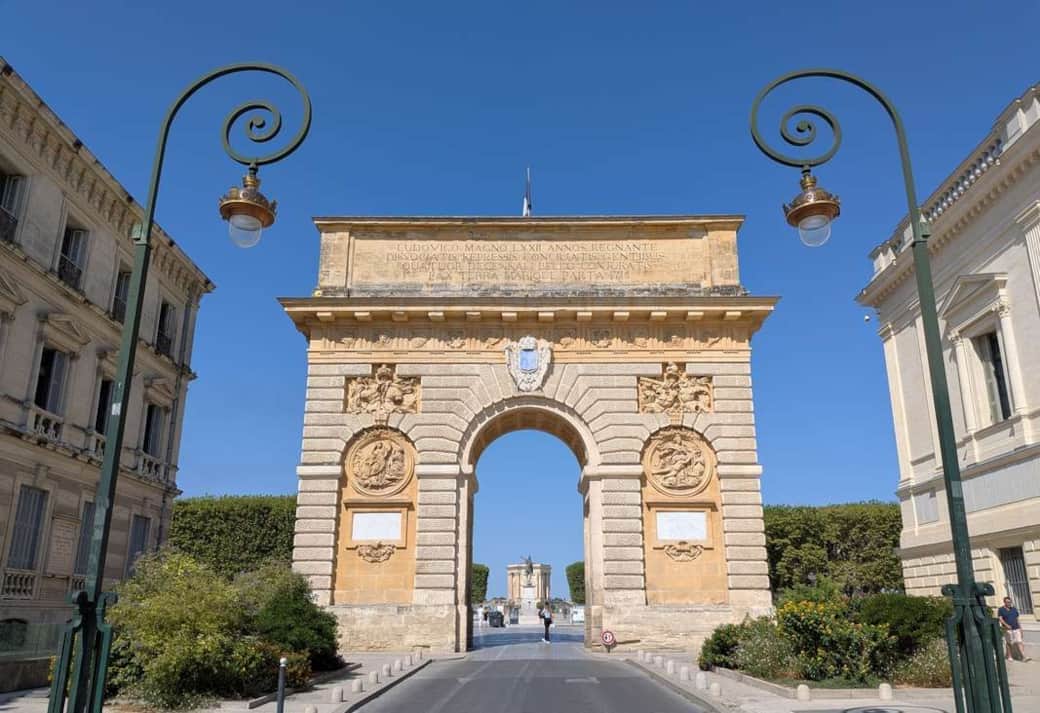
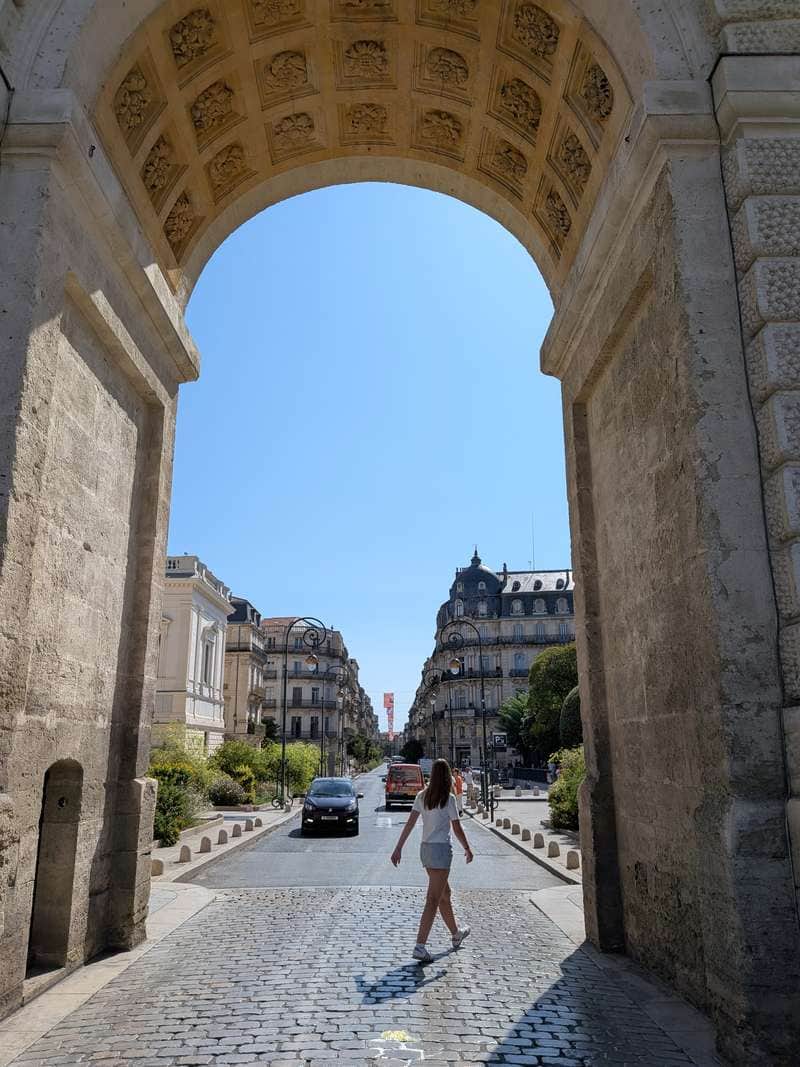
Built in 1691 on the site of a former gate in the city walls, the Arc de Triomphe in Montpellier marks the majestic entrance to the Promenade du Peyrou. Dedicated to Louis XIV, it celebrates the victories and achievements of the Sun King’s reign, notably the Canal du Midi. As you pass through the arch, you’ll discover one of the city’s most beautiful views: the equestrian statue of Louis XIV, the Peyrou Gardens, and, in the distance, the Saint-Clément Aqueduct.
Time Travel: The Écusson
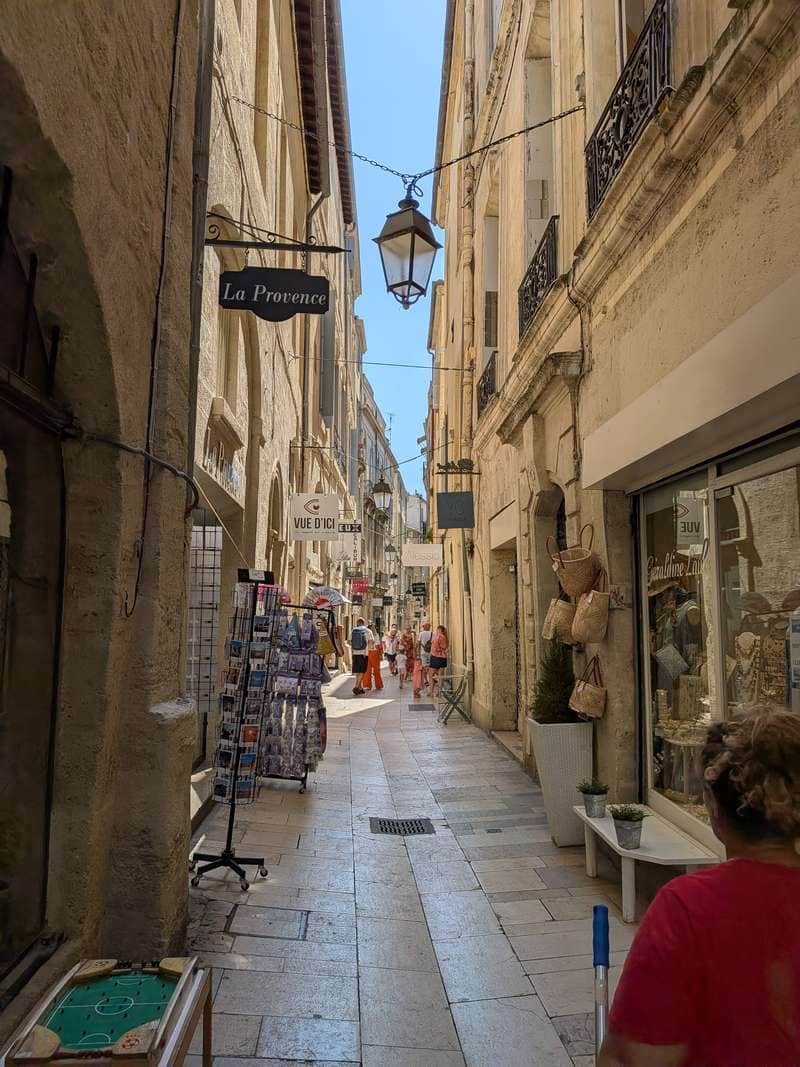
L’Écusson is the historic medieval center of Montpellier. It’s a veritable labyrinth of charming, cobblestone pedestrian streets lined with independent shops and mansions.
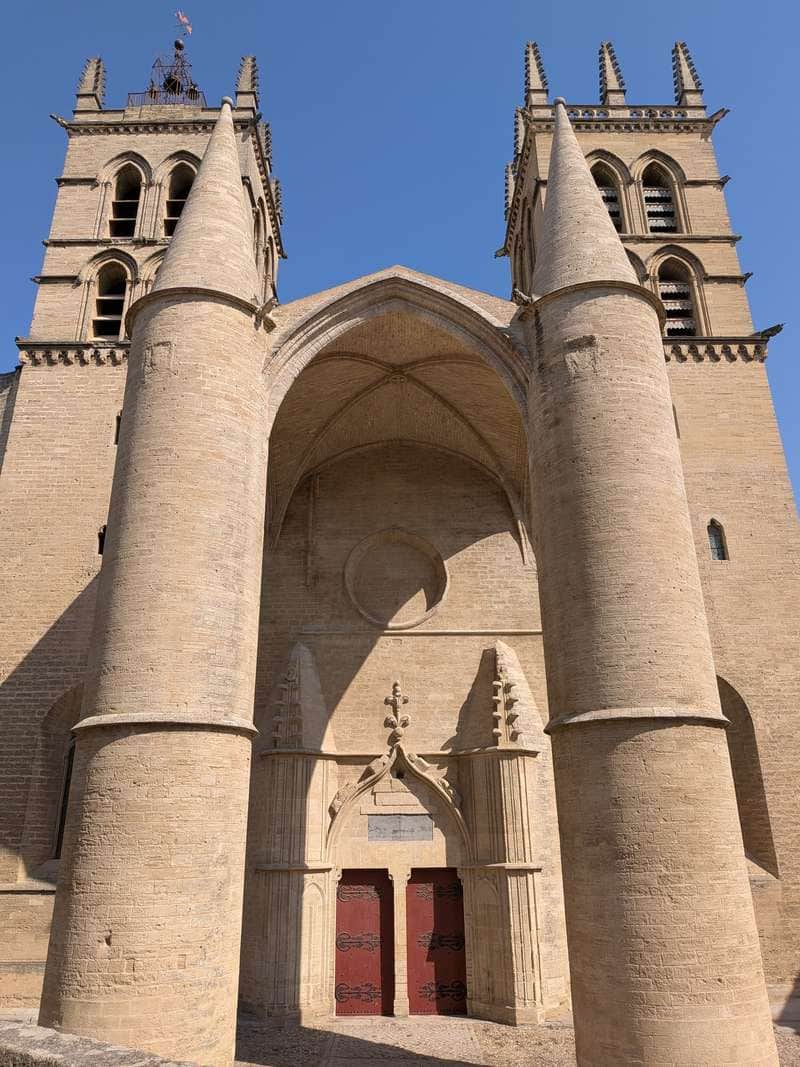
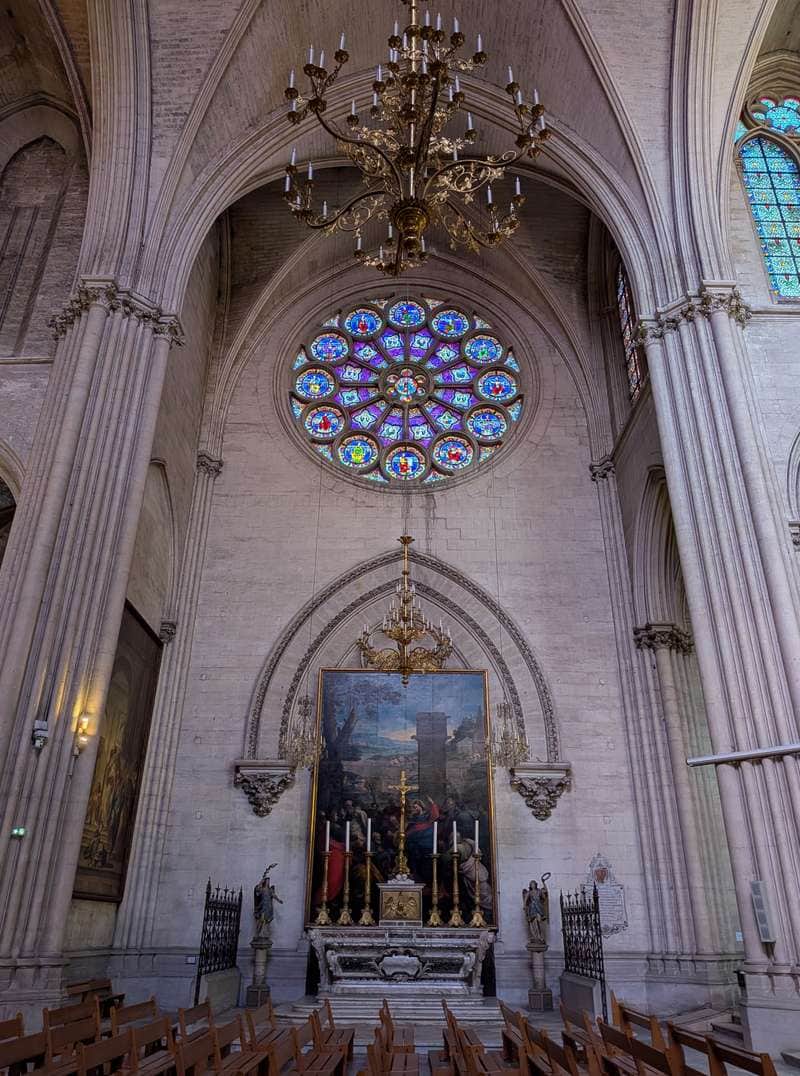
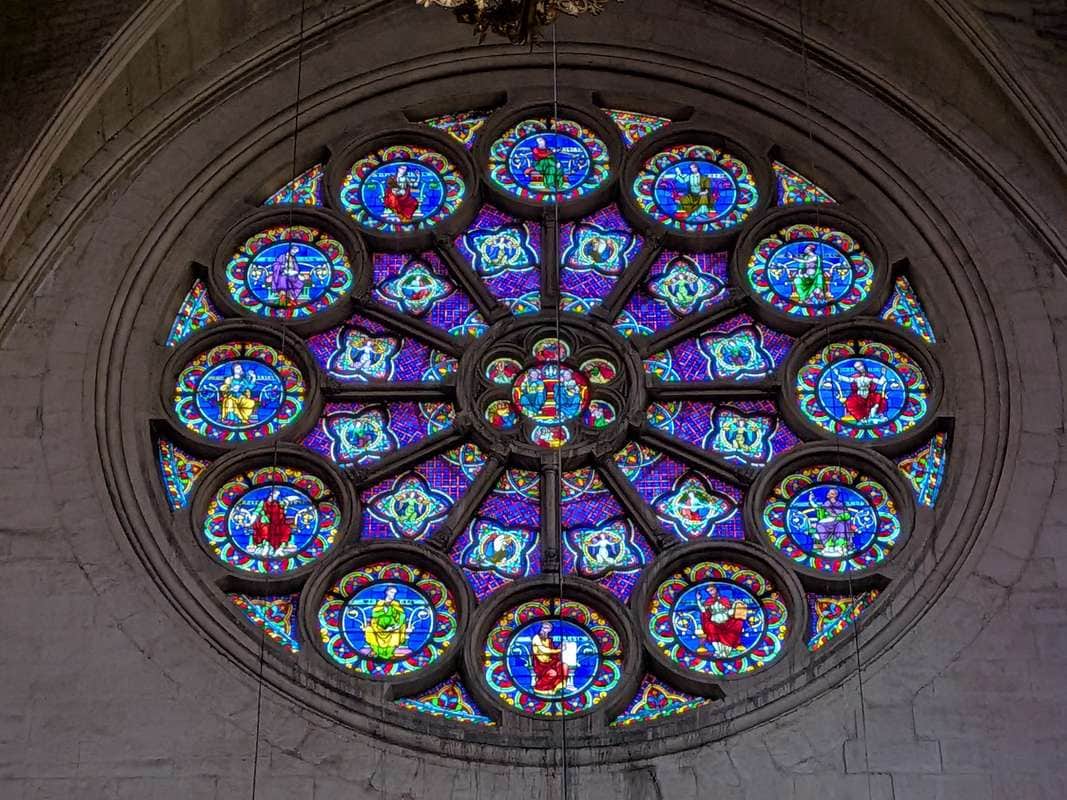
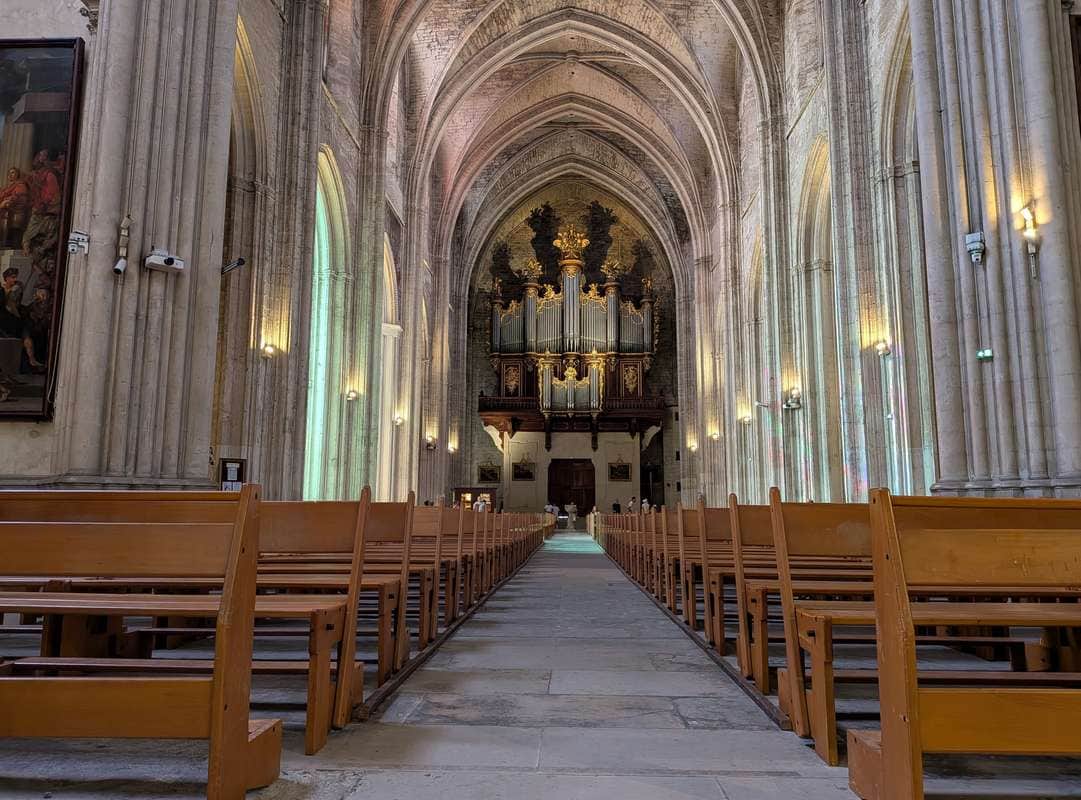
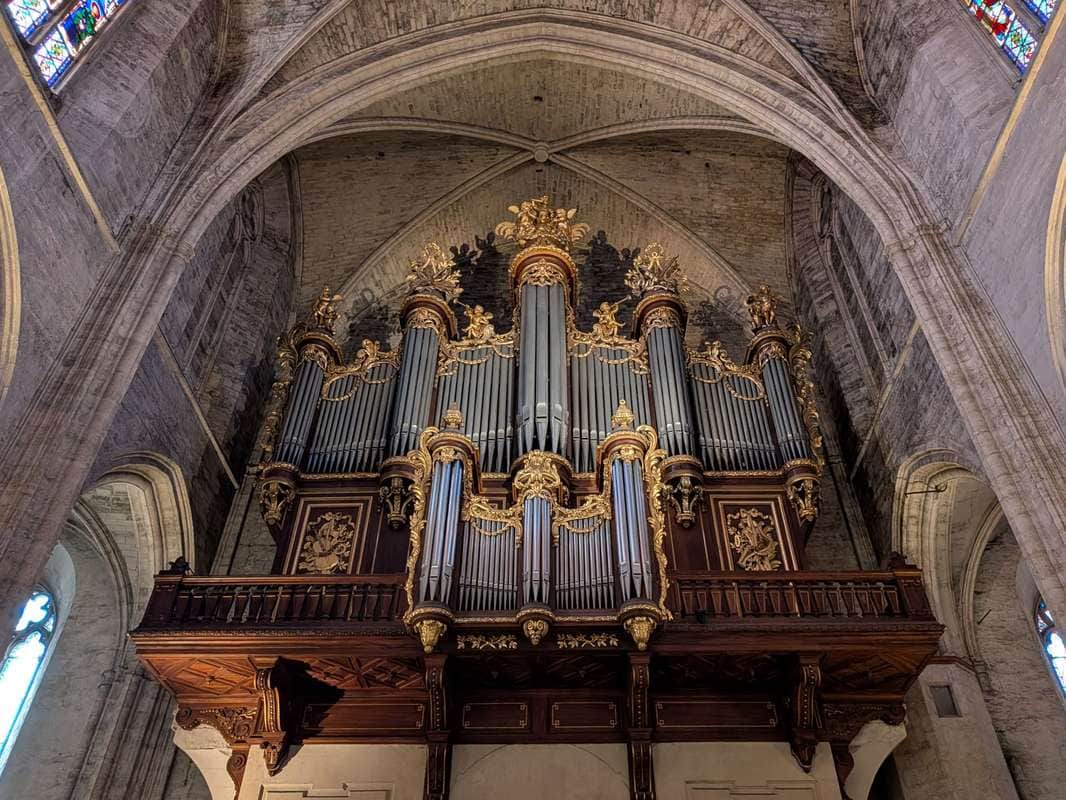
St. Peter's Cathedral
An impressive fortress church with a unique, monumental porch supported by huge cylindrical pillars.
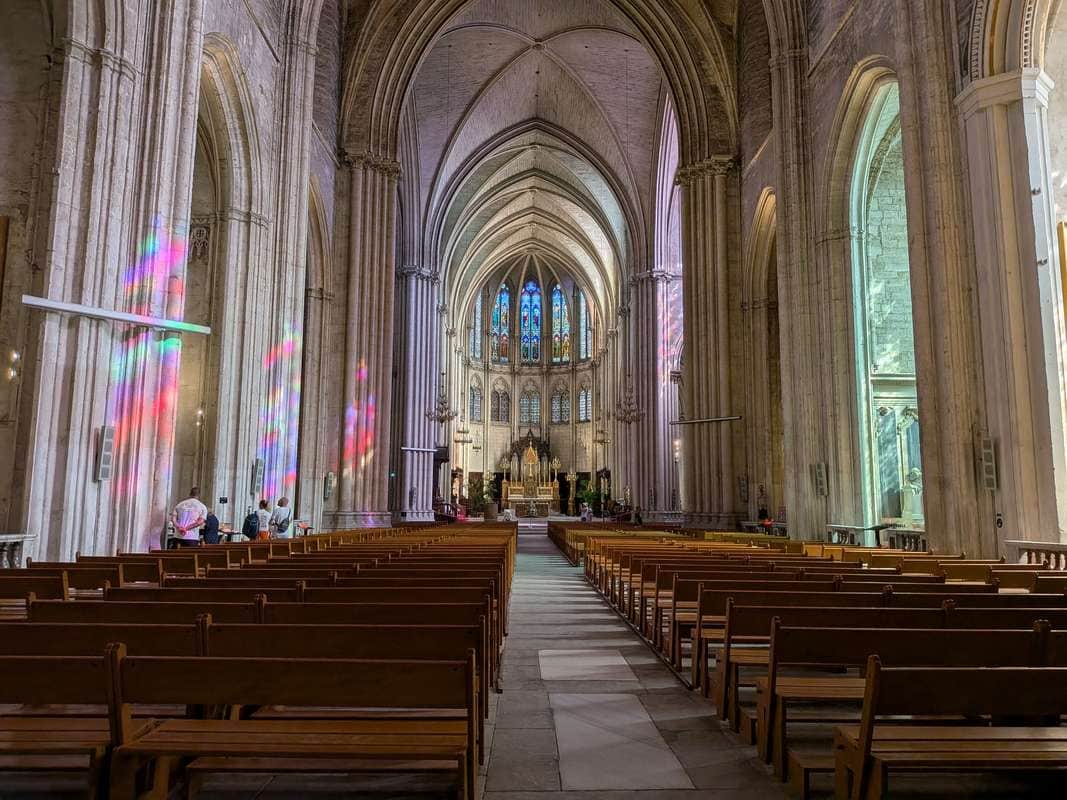
Heritage
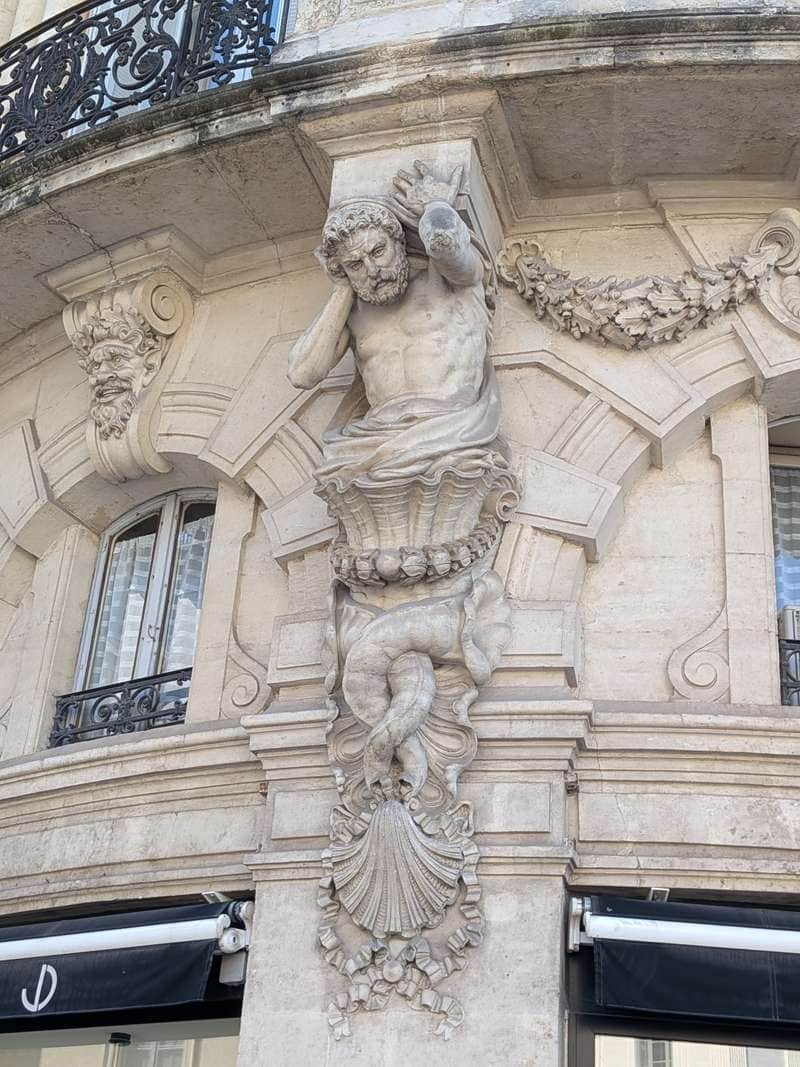
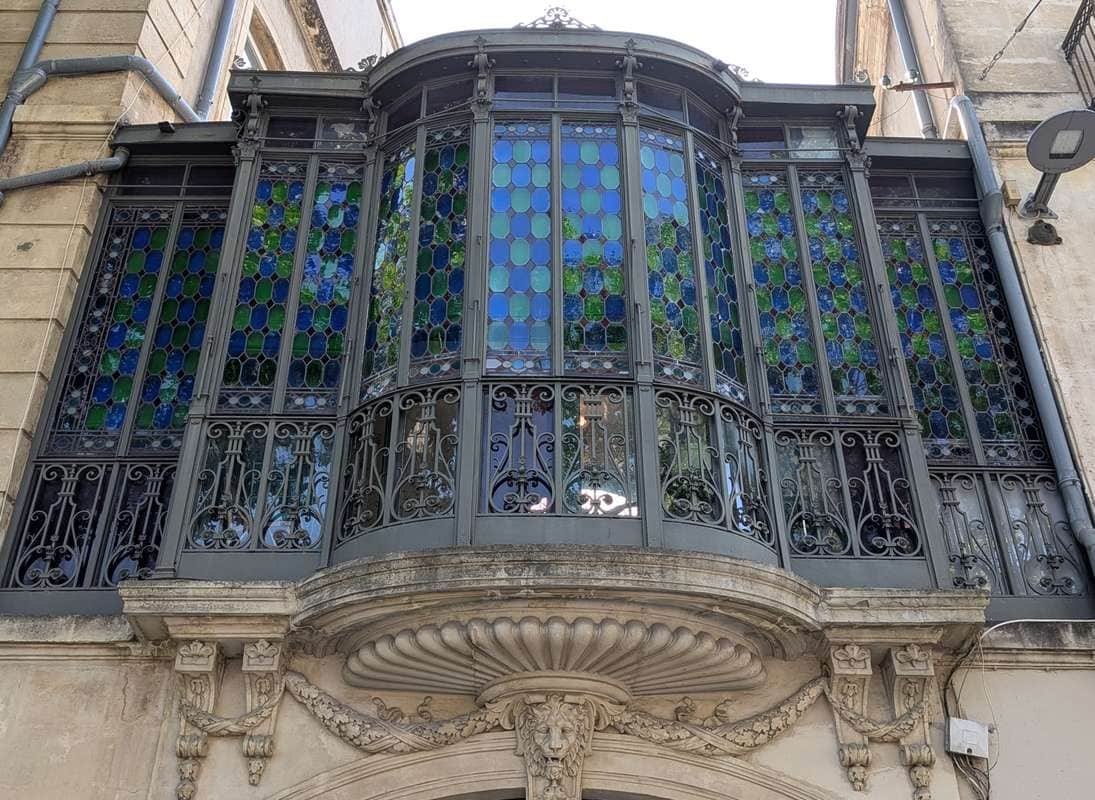
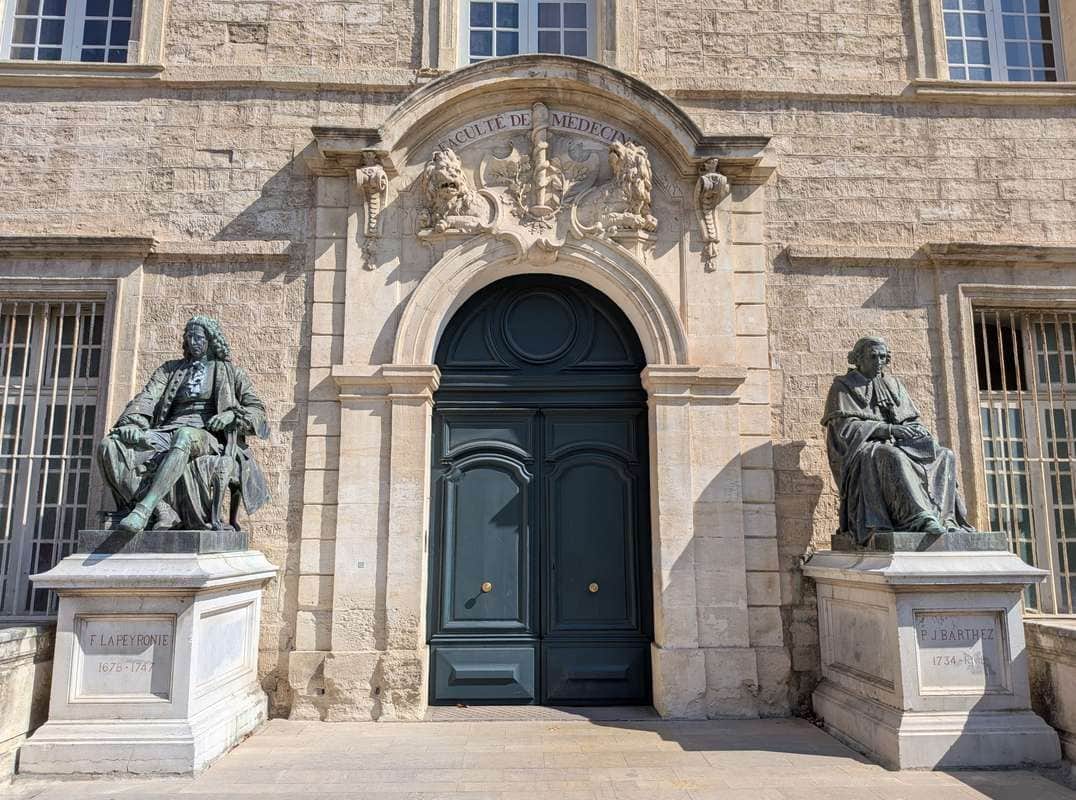
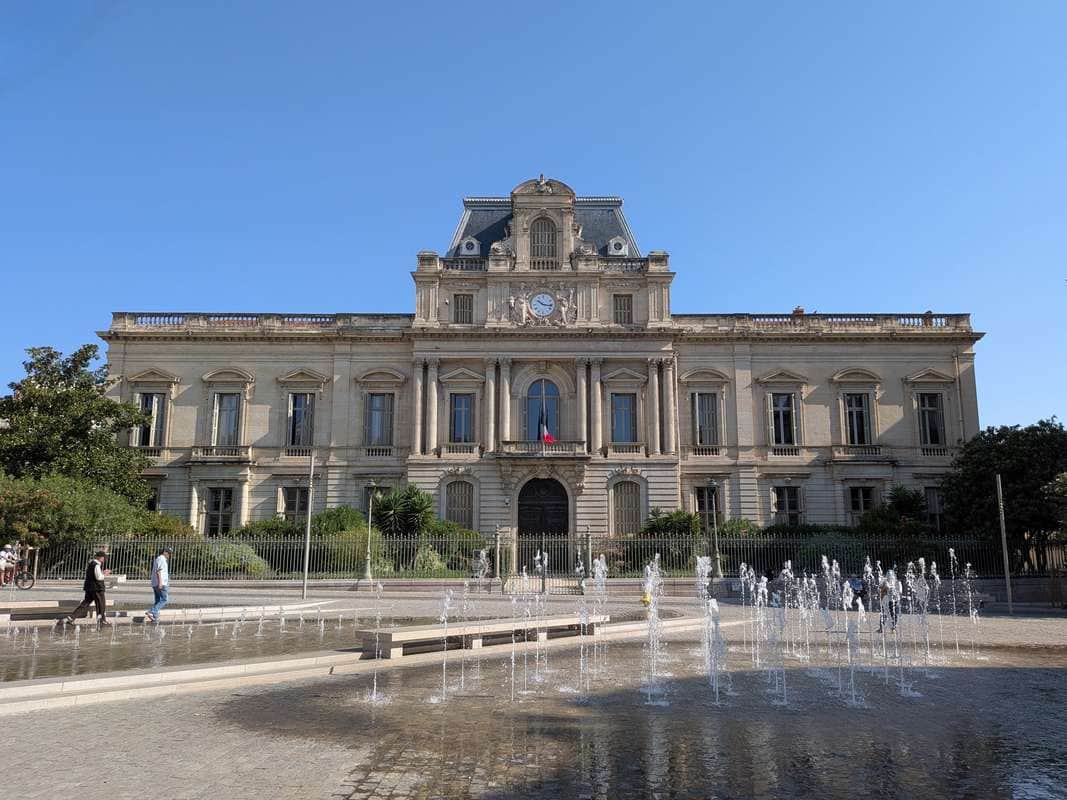
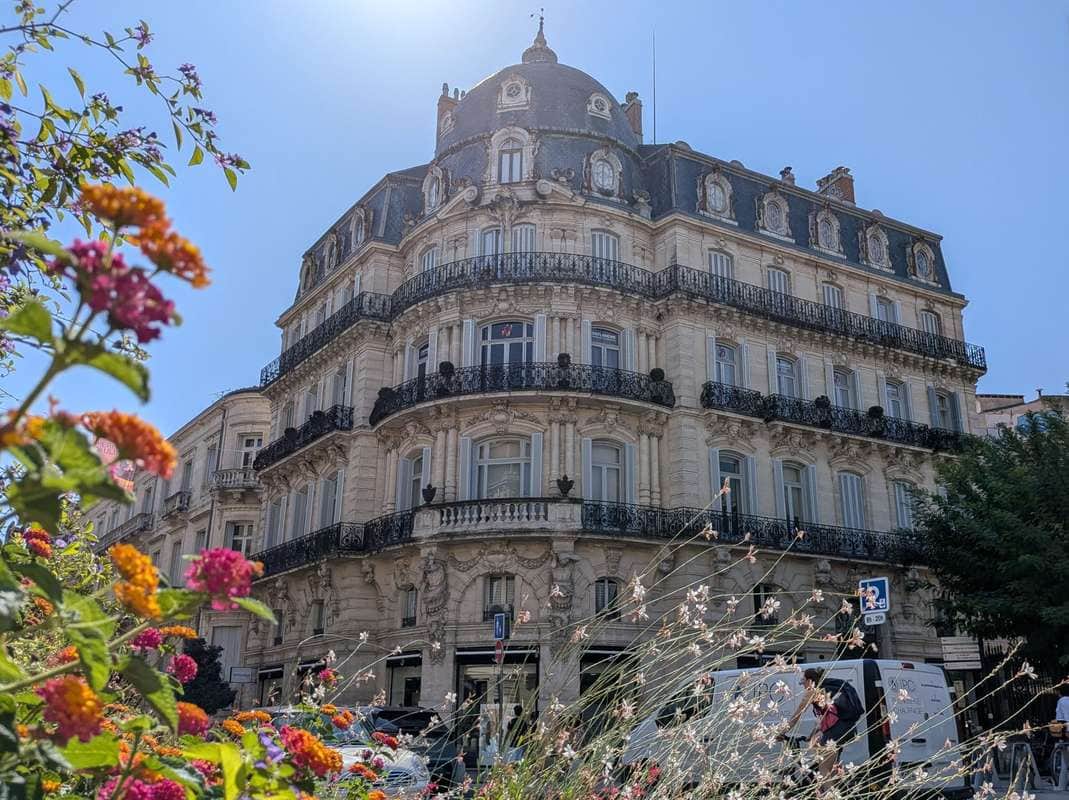
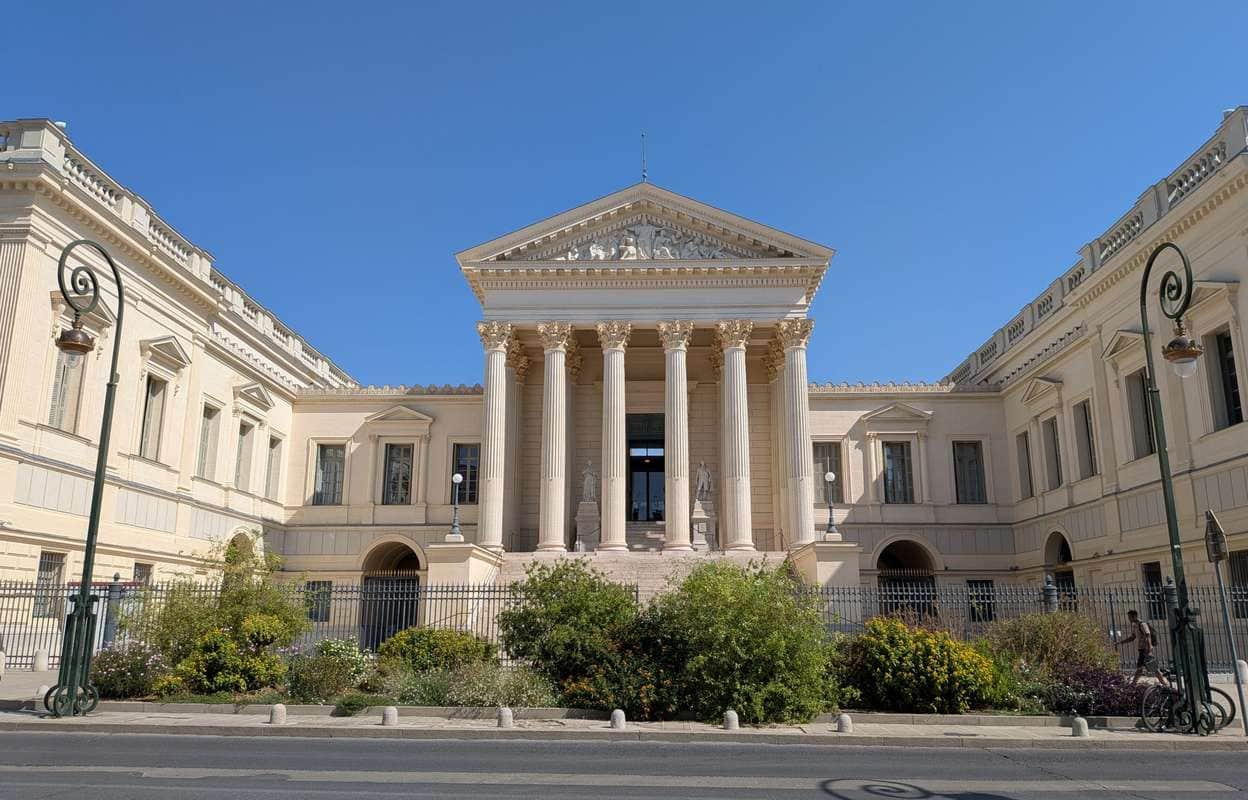
L’Écusson boasts a rich and varied heritage, featuring medieval alleyways, mansions, sculpted facades, shaded squares, and elegant 18th- and 19th-century residences.
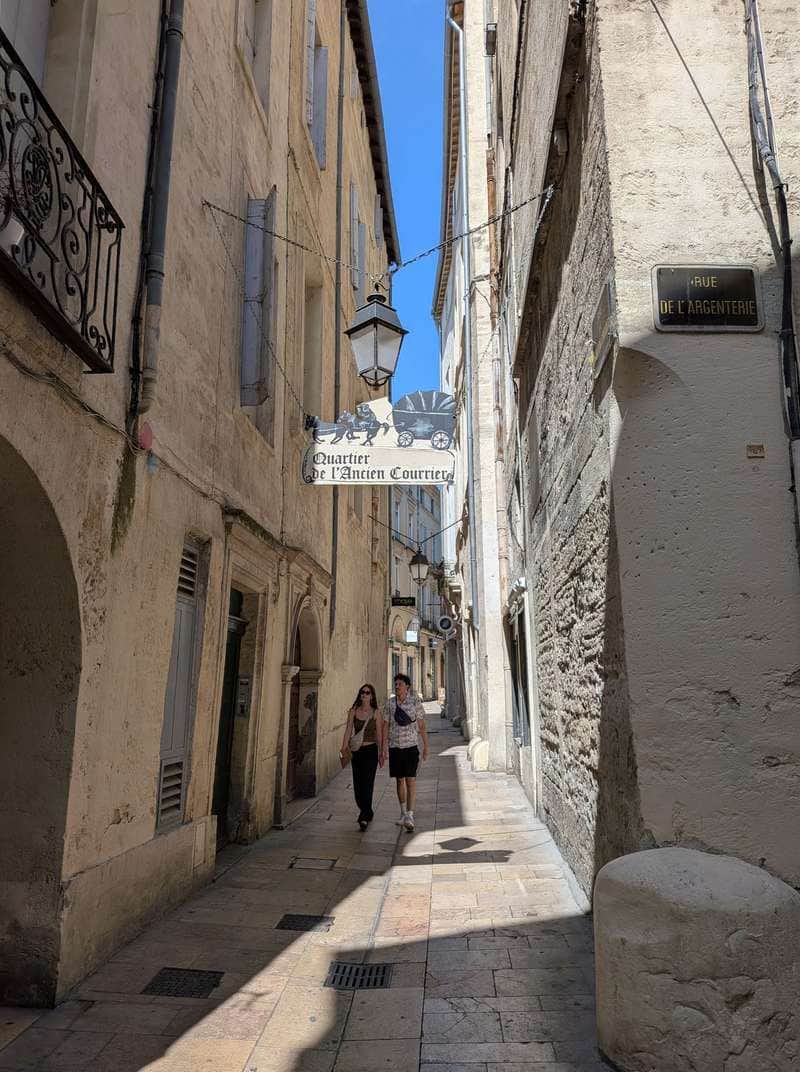
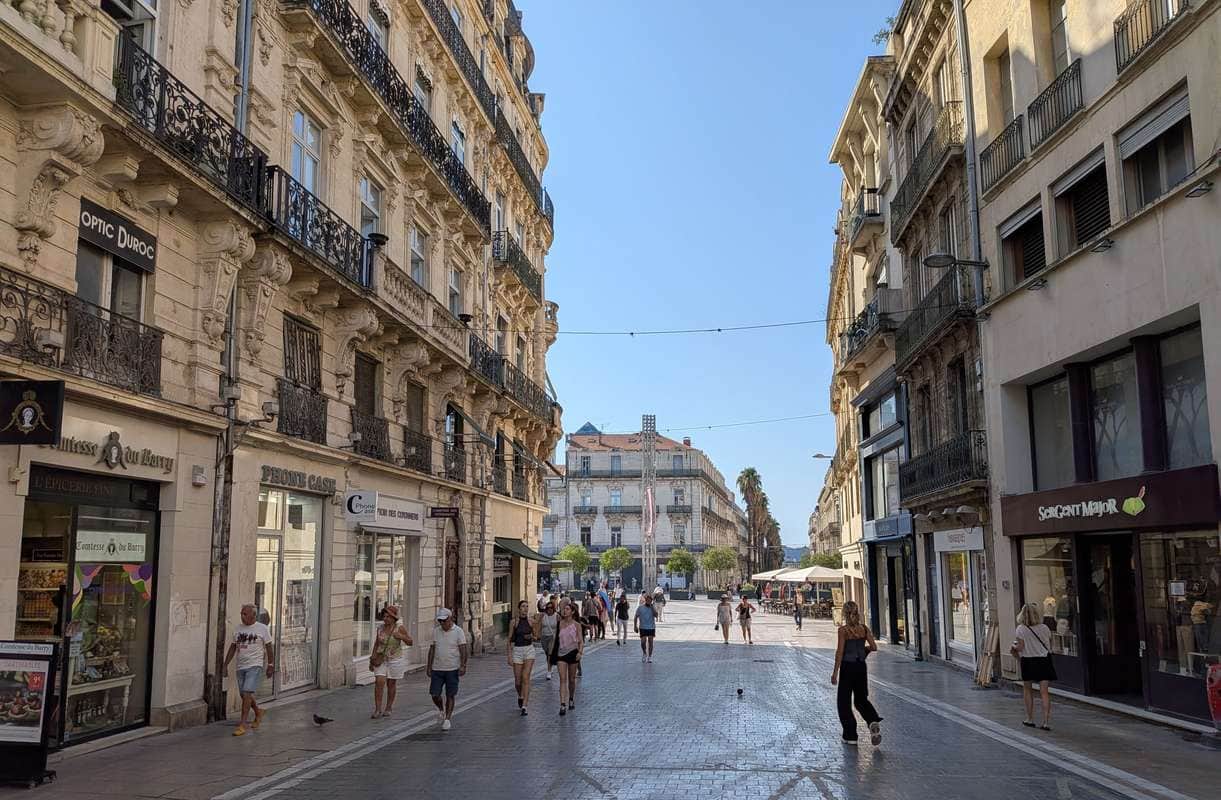
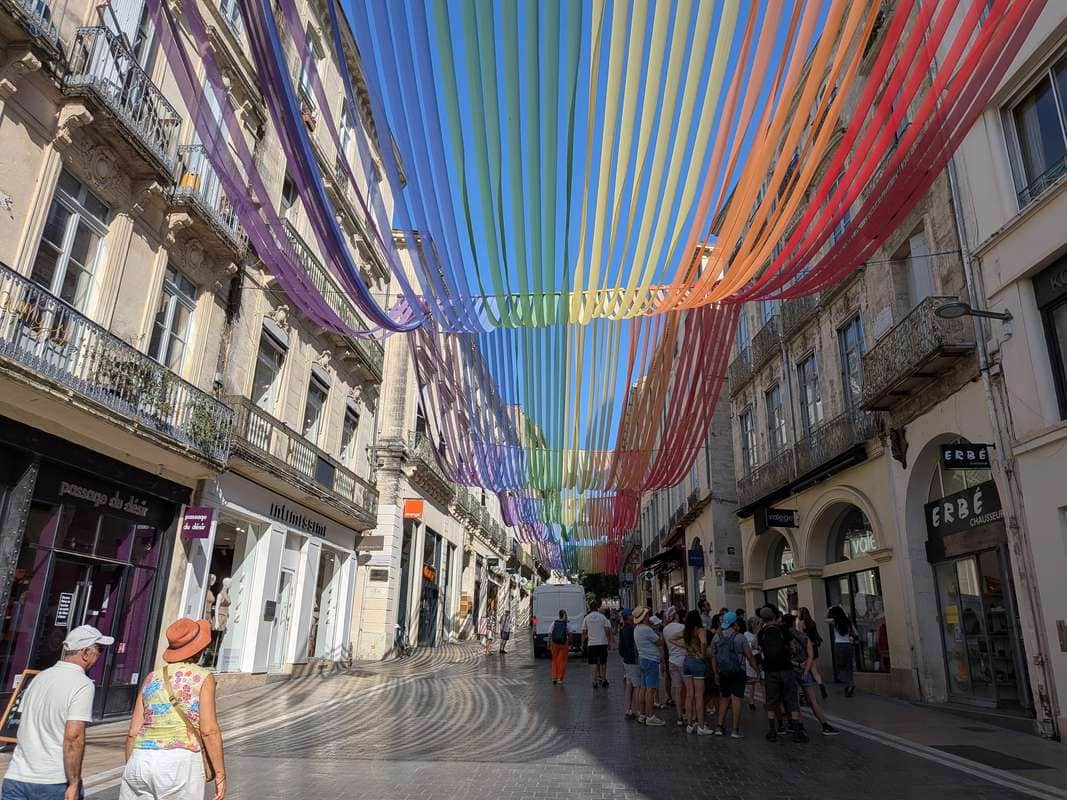
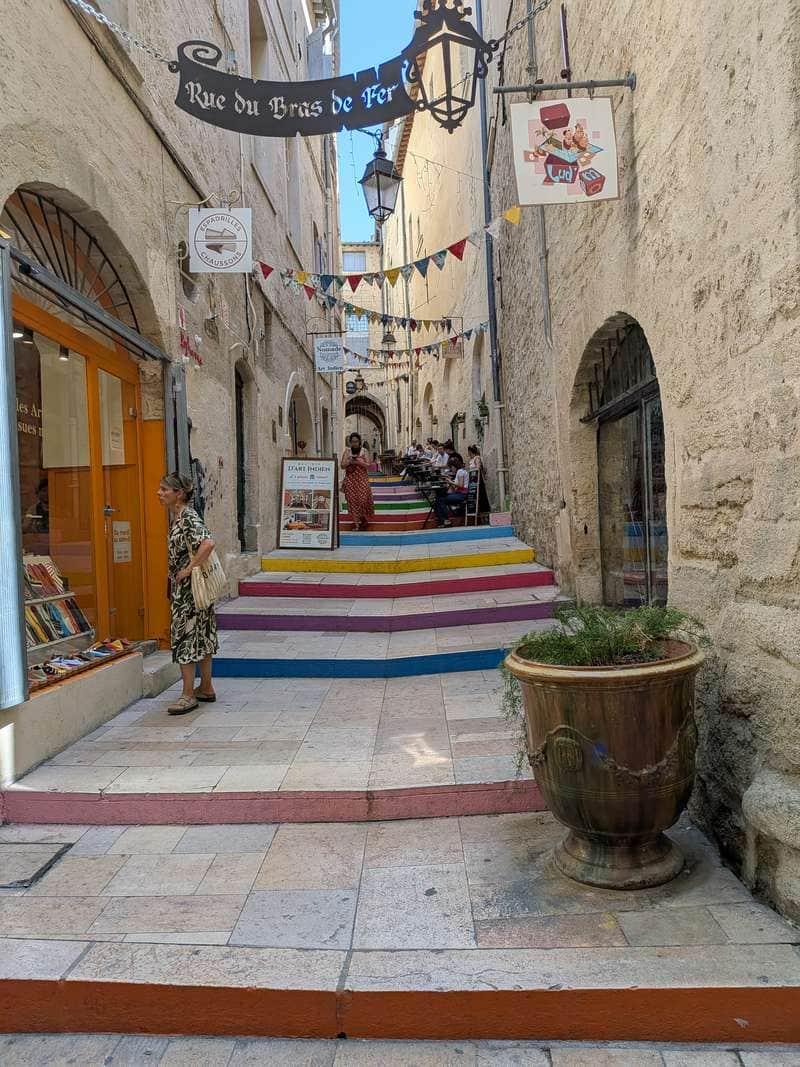
The Streets of Old Montpellier
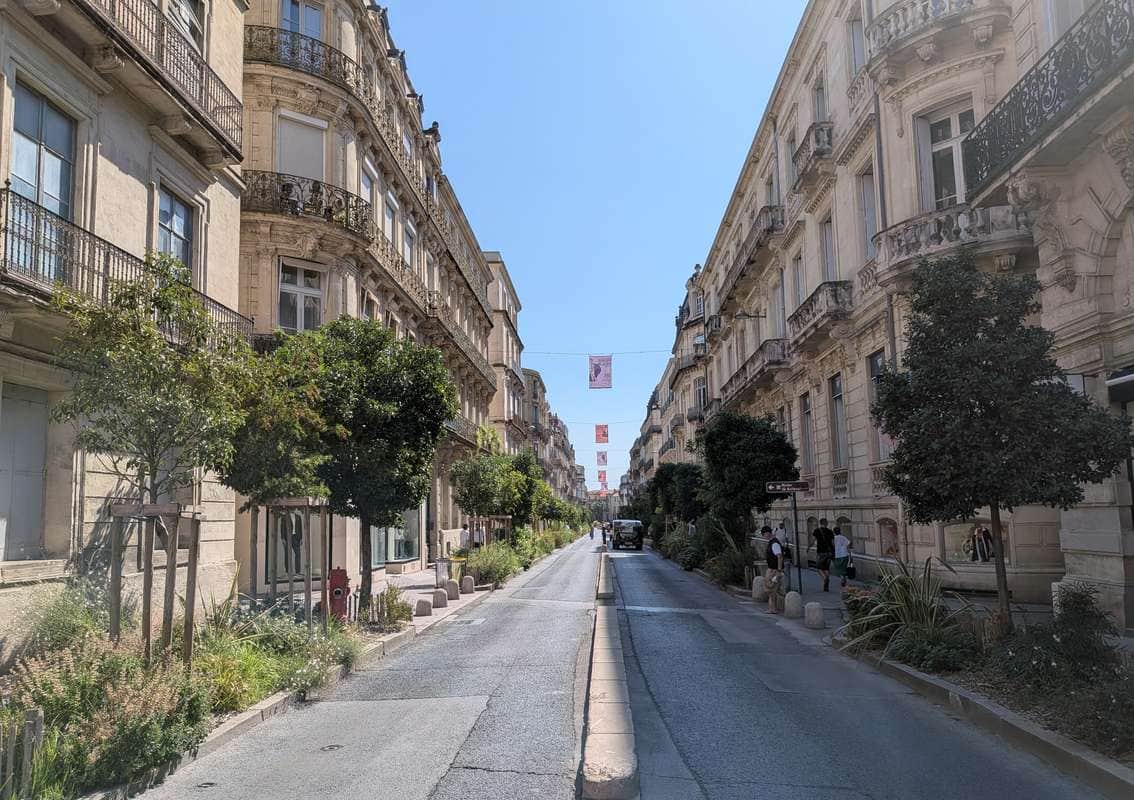
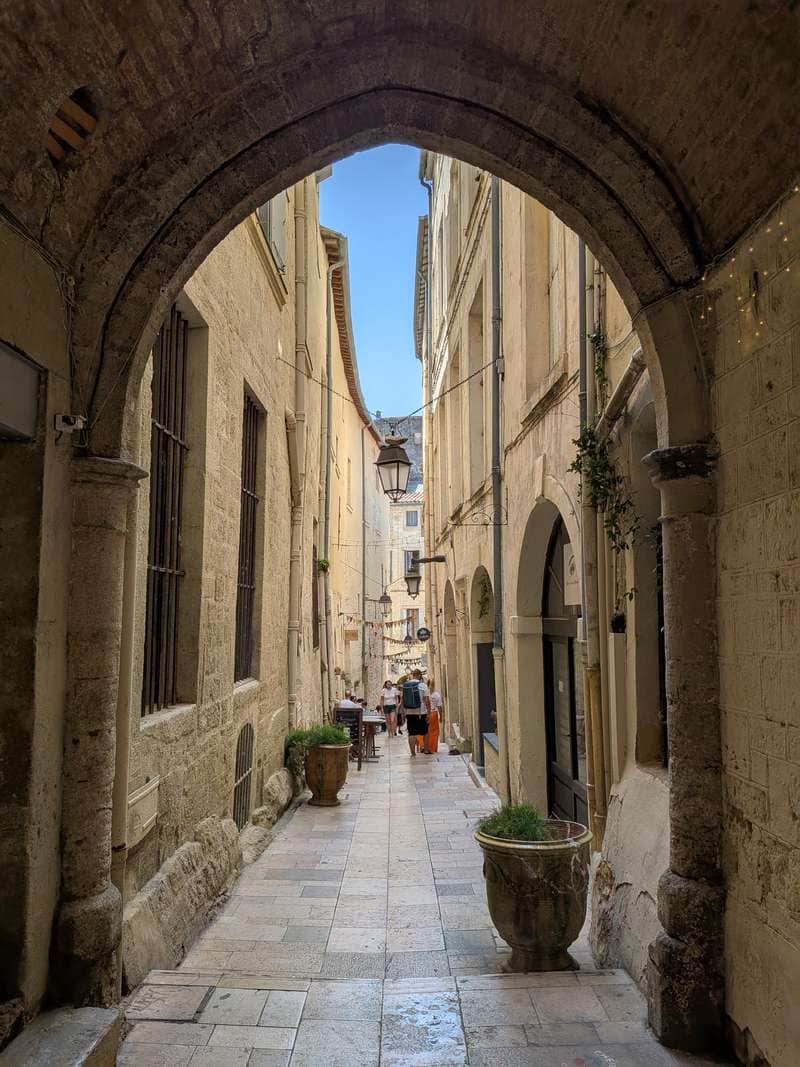
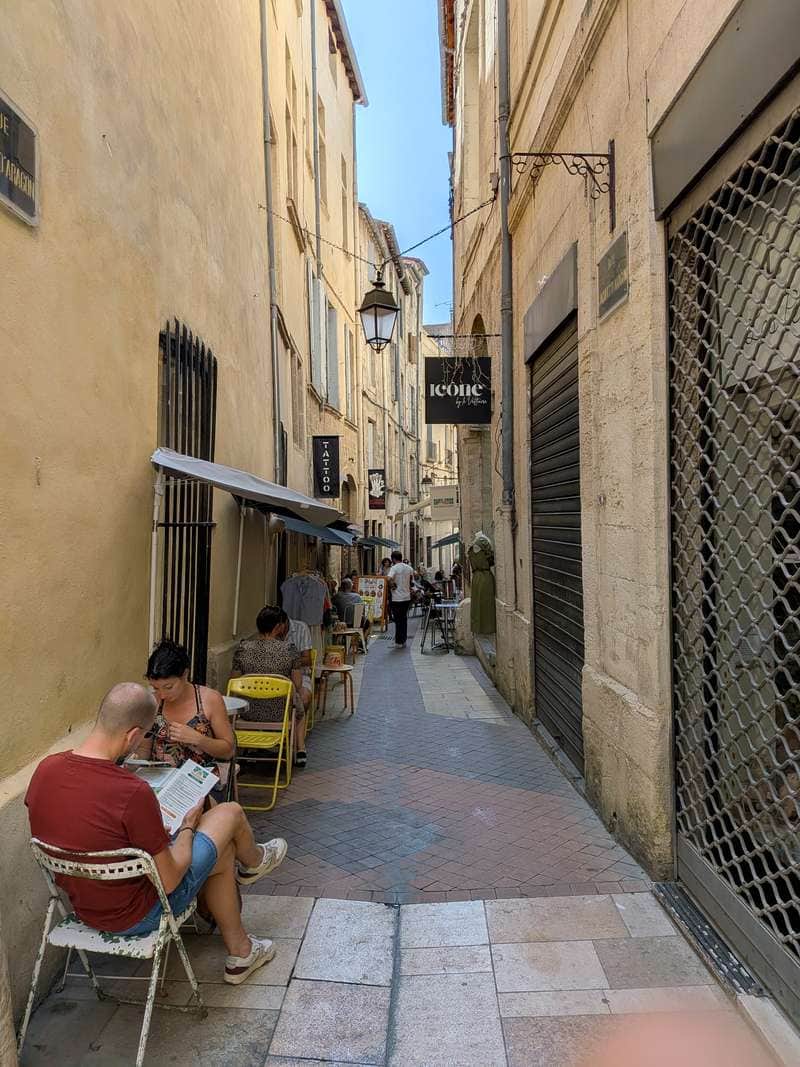
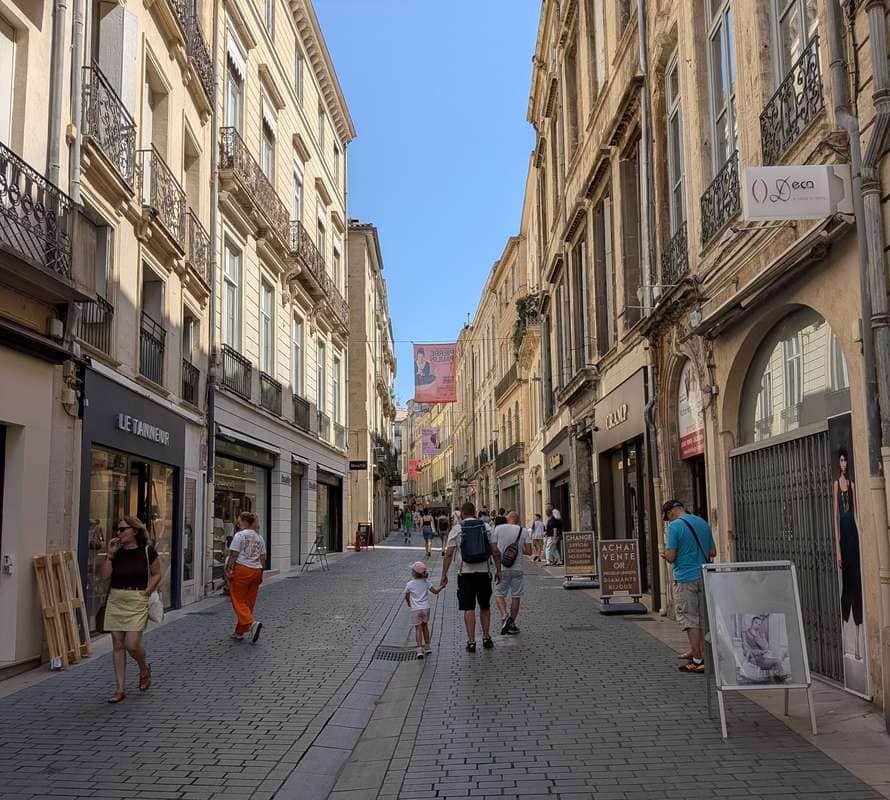
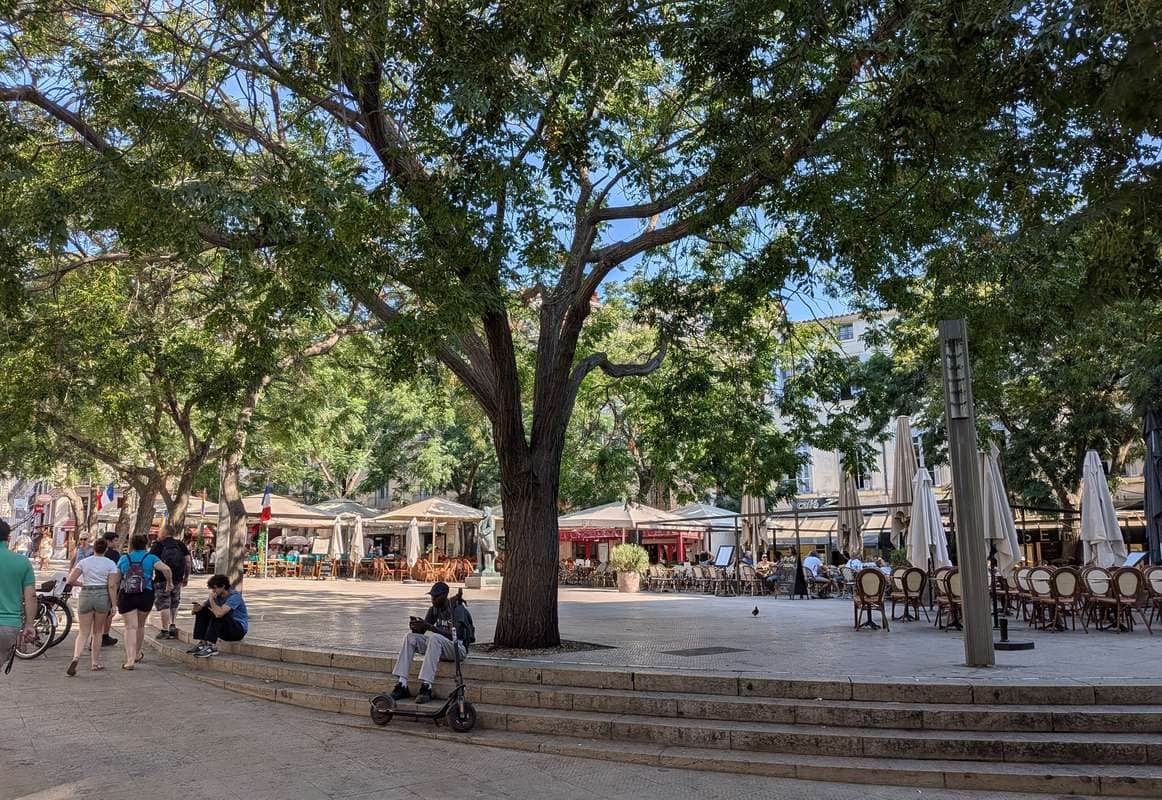
The streets and narrow pedestrian alleys of Old Montpellier invite you to take a charming stroll past historic facades, wrought-iron balconies, shops, and lively outdoor cafes. Every turn reveals a picturesque passageway, a shaded square, or an architectural detail that tells the story of the city.
After a day of sightseeing in Montpellier, come relax at the Villa du Verger.